In short
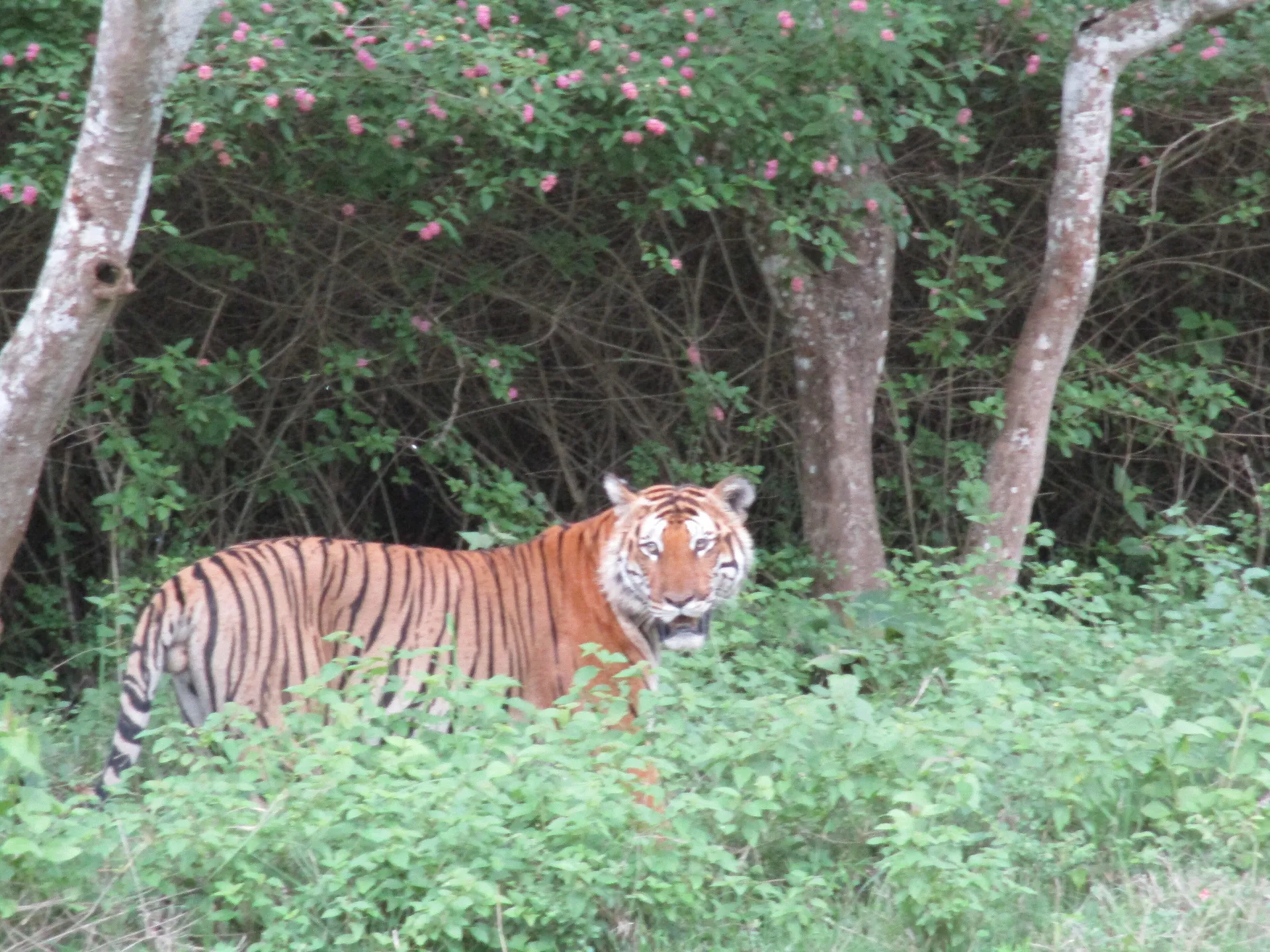
- The latest published national estimate, for 2022, put Bandipur's tiger population at 191, the second highest of any tiger reserve in India after Corbett; 150 individual tigers were identified from camera-trap photographs.
- Karnataka had an estimated 563 tigers in 2022, second only to Madhya Pradesh; Bandipur and Nagarhole together hold most of them.
- Bandipur is part of one continuous forest with Nagarhole, Mudumalai and Wayanad, so tigers move between reserves and states; counts for any one reserve are snapshots.
- The next national estimate (2026 cycle) is under way; results are expected in 2027.
- Sightings are frequent by Indian standards but never guaranteed. Two or three safaris in the dry months give the best odds.
How many tigers live in Bandipur?
India counts its tigers every four years in the All India Tiger Estimation, run by the National Tiger Conservation Authority (NTCA) and the Wildlife Institute of India (WII) with the state forest departments. The method combines sign surveys along walked trails, habitat and prey surveys, and tens of thousands of camera traps, whose photographs identify individual tigers by their stripe patterns.
The 2022 cycle, published in 2023, gave Bandipur 191 tigers, with 150 of them individually photographed by camera traps. Only Corbett in Uttarakhand had more. Nagarhole, Bandipur's northern neighbour, followed with 185 (141 photographed). Karnataka's total was put at 563, second to Madhya Pradesh's 785, and India's at 3,682 (a range of 3,167 to 3,925).
Karnataka's Forest Department also publishes its own analyses of the same camera-trap data, and they come out lower because they count only tigers actually photographed inside each reserve: for 2022 it put Nagarhole at 149 and Bandipur at 140. A separate state-wide camera-trap survey between November 2023 and February 2024 counted 393 tigers across Karnataka's five tiger reserves. The reserve's own website simply says '150+ tigers'. All these numbers are estimates of a moving population, and they measure slightly different things.
| Reserve (Karnataka) | 2022 estimate | Photographed by camera traps |
|---|---|---|
| Bandipur | 191 | 150 |
| Nagarhole | 185 | 141 |
| Biligiri Ranganathaswamy Temple (BRT) | 60 | 37 |
| Bhadra | 44 | 28 |
| Kali | 29 | 17 |
Why the Nilgiri forests matter so much
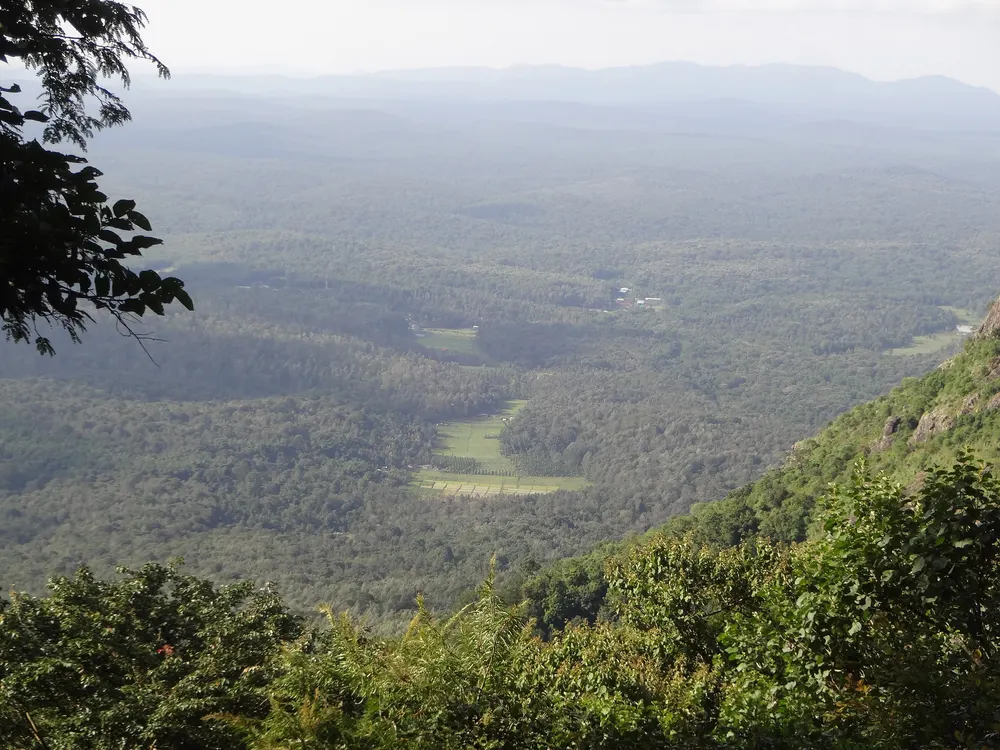
Bandipur's tigers are not a separate population. The reserve is the centre of a block of forest that runs without a break into Nagarhole to the north-west, Wayanad to the south-west, Mudumalai to the south and, across the Moyar, Sathyamangalam to the east. NTCA describes the Nagarhole–Bandipur–Wayanad–Mudumalai landscape as holding the largest contiguous tiger population in the world, and young tigers born in Bandipur routinely disperse into neighbouring reserves, or out of the forest altogether.
That success has a flip side. The 2022 estimation recorded fewer tigers photographed across the Western Ghats as a whole (824, against an estimated 981 in 2018), with losses concentrated outside the big reserves, while the core populations in places like Bandipur stayed strong. A reserve that is full pushes young animals into farmland, and that is part of why conflict with people has risen around Bandipur (see below and our conservation page).
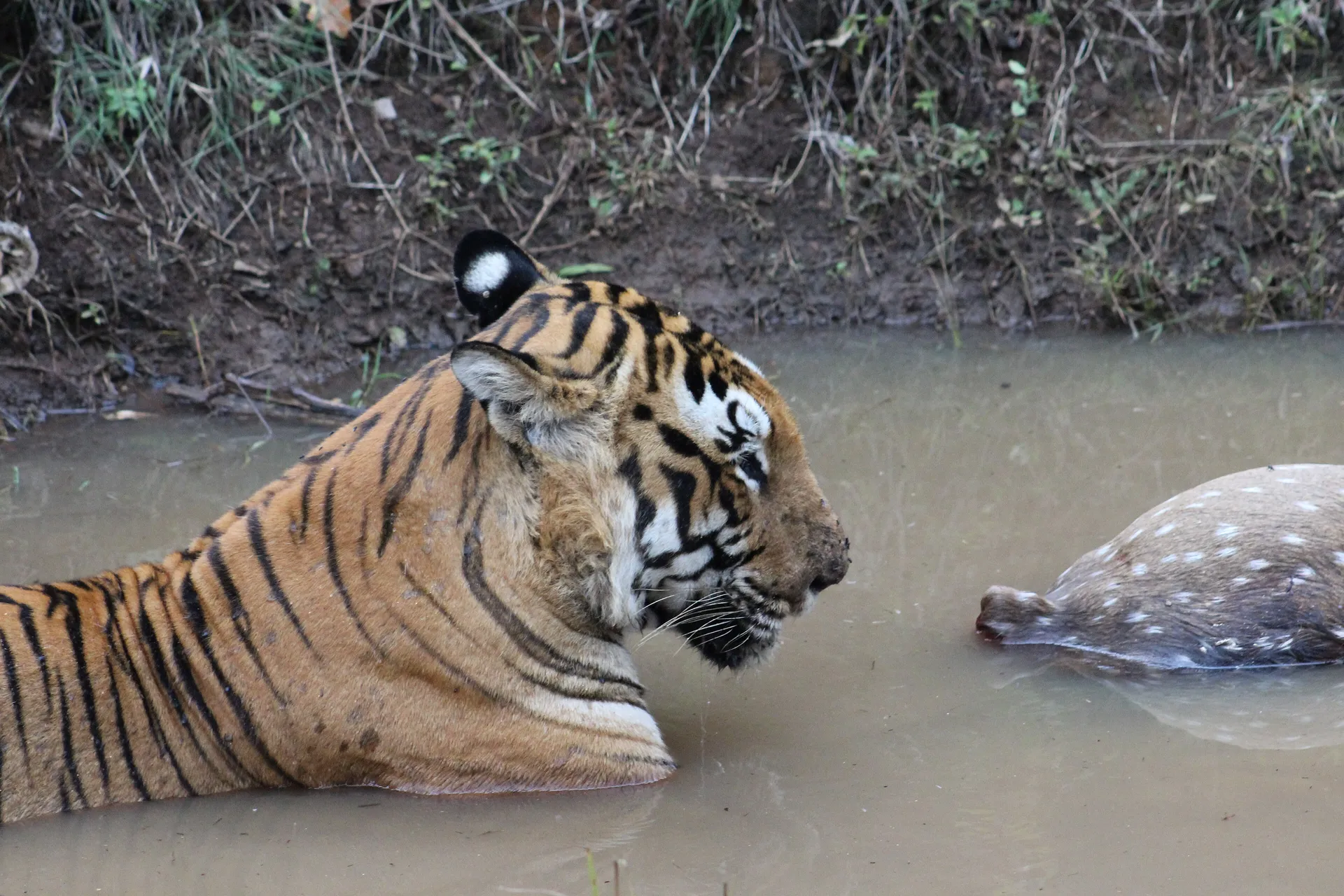
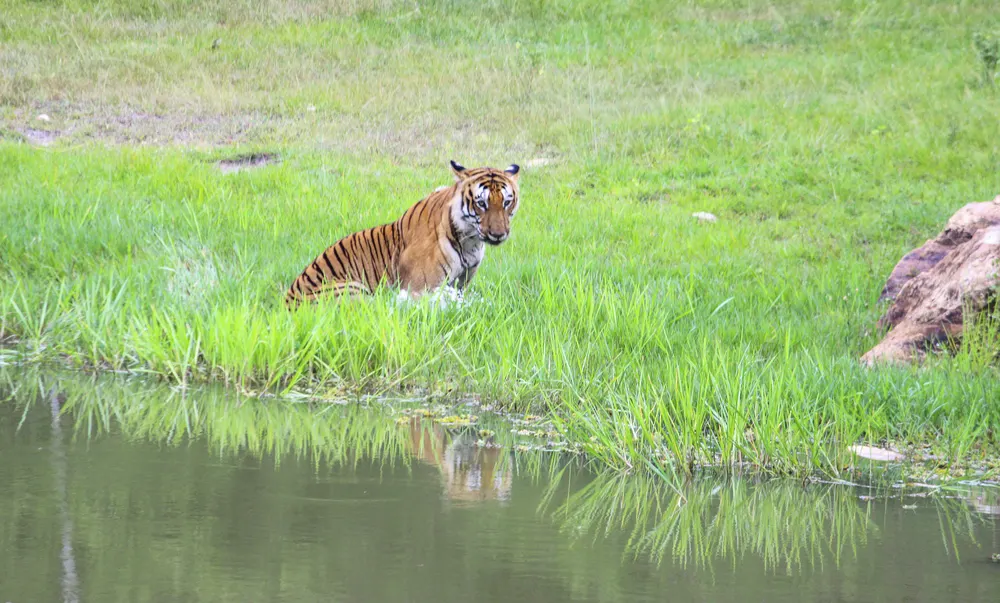
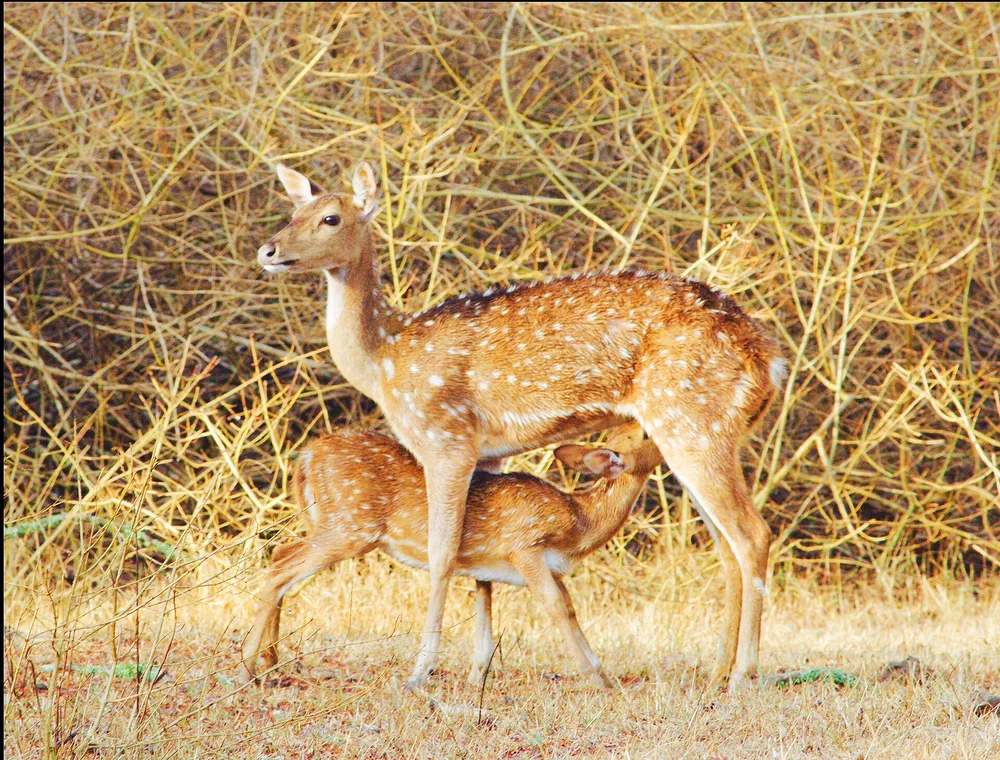
A tiger in a forest pool next to a chital it had killed. Chital and sambar are the staple prey of Bandipur's tigers.
How tigers live here
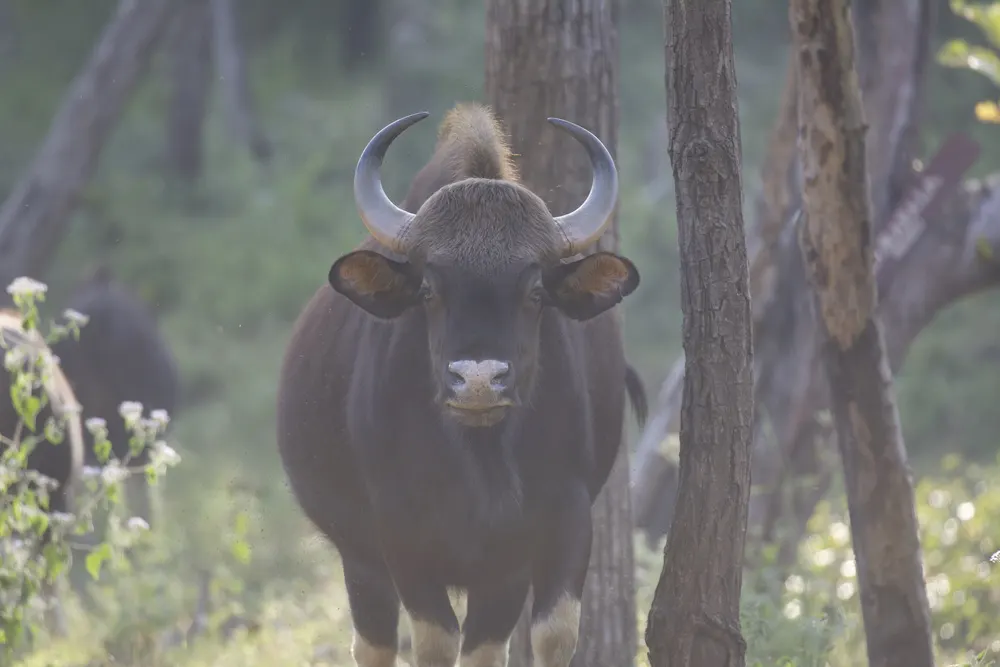
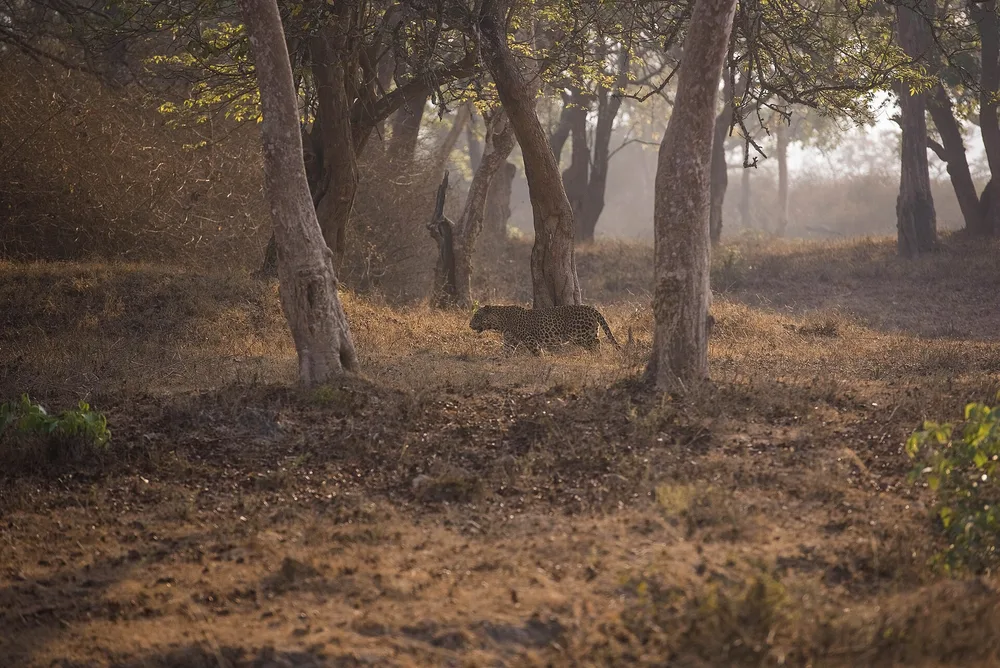
Bandipur's deciduous forest suits tigers well: plenty of cover, water in the dry season along the rivers, reservoirs and waterholes, and a large prey base. Chital, sambar, wild boar and gaur make up most of what they eat. Adult tigers are solitary and territorial; a resident male's range overlaps those of several females, and young animals leave their mother at around two years old to find a range of their own.
Tigers here are mostly active from late afternoon to early morning, rest through the heat of the day in thick cover or in water, and use forest roads and stream beds to move. That is why most sightings happen on the first and last drives of the day, often on the road itself or at the edge of a waterhole.
Bandipur also has a long history of tiger research. Field biologists have studied predators and prey here since the 1970s, when A. J. T. Johnsingh's study of dholes and the large predators and their prey in Bandipur was carried out, and today camera traps turn individual tigers into known animals, recognised by their stripes.
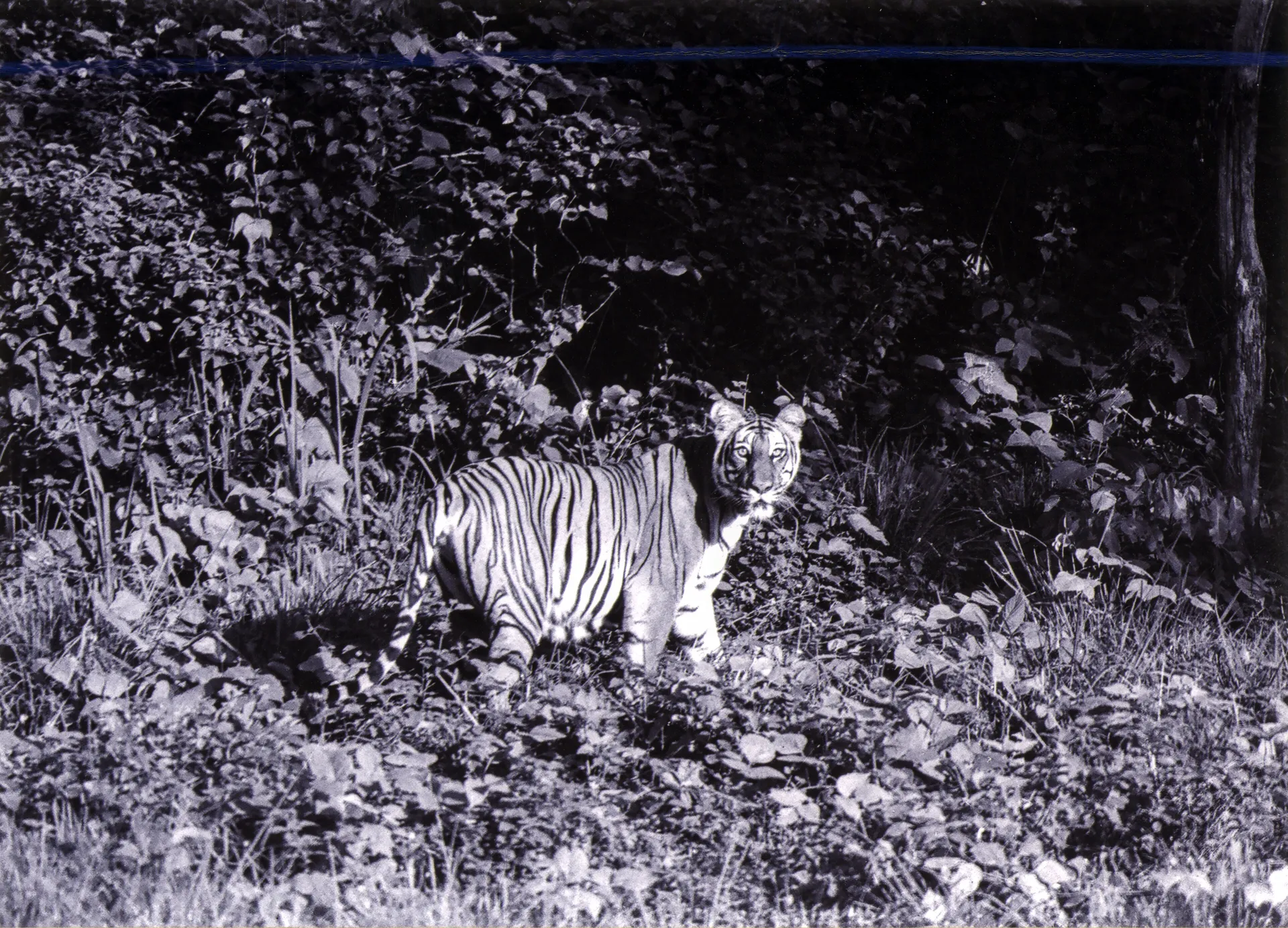
A tiger photographed from a mango tree in Bandipur on 23 May 1978 by the wildlife biologist A. J. T. Johnsingh.
Where and when sightings happen
Visitors see tigers only in the safari tourism zone, a small part of the reserve reached from the Melukamanahalli counter. Within it, tigers are found around waterholes, along the forest tracks and in the bamboo and lantana thickets where they rest. Drivers know which areas a particular tiger has been using, but the animals move every day.
- Best months: the hot dry season, roughly March to May, when leaves fall, grass dies back and animals stay close to water. December to February is also good and more comfortable.
- Hardest months: the monsoon, June to September, when water is everywhere and the forest is dense and green.
- Best time of day: the first hour of the morning safari and the last hour of the afternoon one.
- Best strategy: two or three safaris over two days rather than one.
Tigers and people: the 2025 crisis
In October and November 2025, tigers killed three people within about two weeks in villages bordering the Bandipur and Nagarhole reserves, and another person was left permanently disabled. The Karnataka government suspended safaris in both reserves from 7 November 2025, the Forest Department trapped and relocated 25 tigers and cubs from the conflict zone, and patrols, anti-poaching camps and a command centre were set up along the most affected stretch of the reserve boundary. The state reported no further attacks in the months that followed, and safaris resumed in stages between February and June 2026.
The episode raised hard questions that are still open: how many tigers a reserve can hold, how much land around it farmers and herders depend on, and whether tourism disturbs or protects. The conservation page sets out the debate.
The 2026 tiger estimation
The sixth national cycle began in January 2026. In Karnataka, the first phase of sign surveys started on 5 January 2026 across the five tiger reserves and the Male Mahadeshwara and Cauvery wildlife sanctuaries, and Bandipur was assigned about 550 camera traps for the camera-trapping phase. Results are expected with the national report in 2027; until then, the 2022 figures above are the latest official estimate.
Watching tigers well
- Stay seated and silent at a sighting; a tiger that is relaxed will often walk past or lie down in view.
- Never ask the driver to follow, block or crowd a tiger, or to leave the track.
- Do not try to attract a tiger's attention with sounds or by banging the vehicle.
- Remember that phones are not allowed on safari; bring a camera, ideally with a lens of 200 mm or less to avoid the long-lens fee, or pay the fee if you need more reach.
- If you see a tiger on the highway, slow down, keep your distance, stay in the car and keep moving; stopping on the highways is not allowed.
Wildlife private day tour: Mysore to Bandipur National Park
A private day from Mysuru to Bandipur and back, built around wildlife viewing, as the listing title describes. The simplest way to reach the safari counter without your own car. Check whether a Forest Department safari seat is included and the pick-up time.
Check availabilityBook via GetYourGuide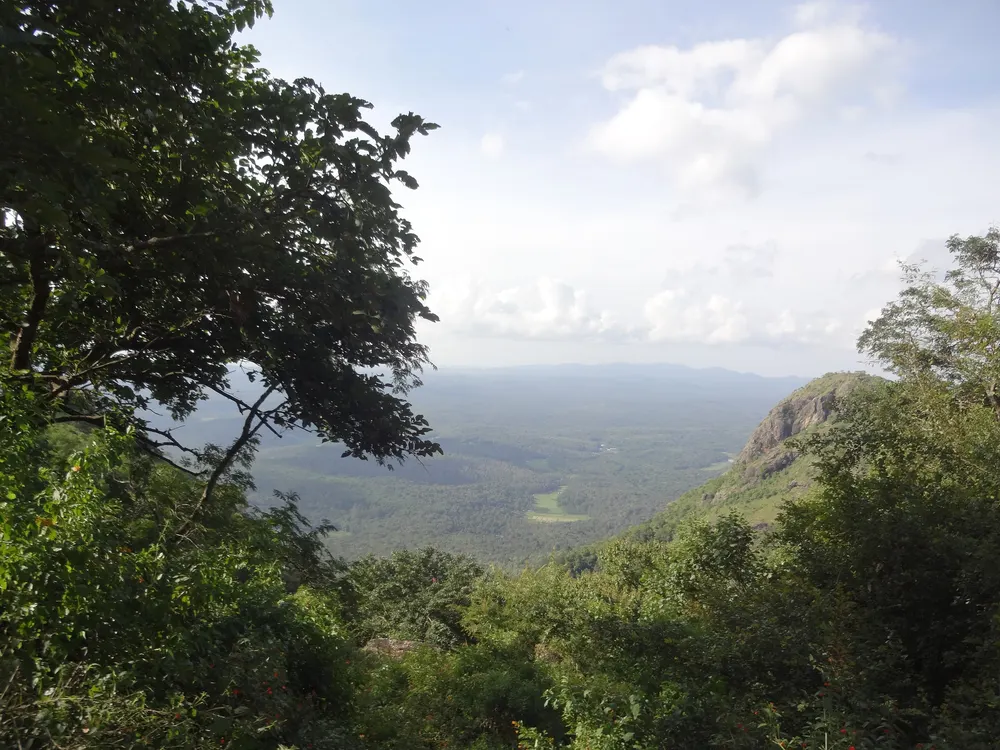
Ooty and Bandipur safari day tour from Coimbatore
One long day from Coimbatore: up to Ooty in the Nilgiris and a safari in the Bandipur forest, according to the title. Check the order of the day, the safari arrangements and the return time; the forest highway closes at 9 pm.
Check availabilityBook via GetYourGuide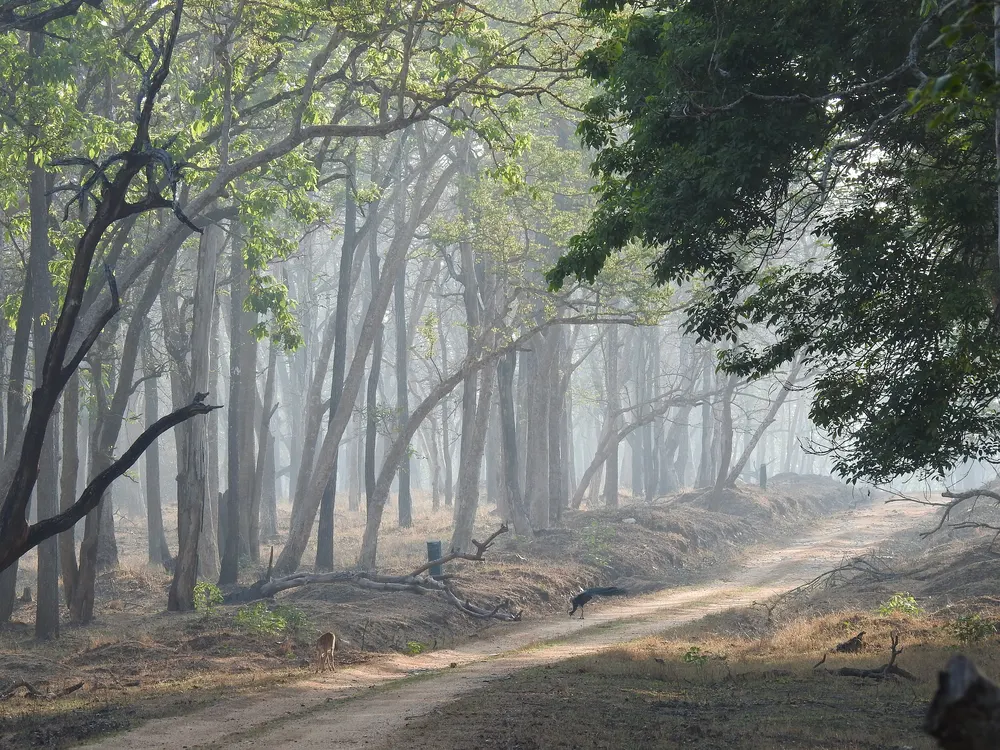
Bangalore to Kabini safari and Mysore heritage: 2-day tour
Two days from Bengaluru combining a safari at Kabini, on the Nagarhole side of the same forest, with Mysuru's sights, as the title states. The overnight gives you an evening and a morning. Check which safari is included and where you stay.
Check availabilityBook via GetYourGuideTour listings are on GetYourGuide. Prices, dates and cancellation terms are shown live on each listing and can change; BandipurNationalPark.com may earn a commission at no extra cost to you.
Frequently asked questions
How many tigers are there in Bandipur?
The 2022 All India Tiger Estimation put Bandipur at 191 tigers, with 150 individually identified from camera-trap photographs. The next estimate, from the 2026 cycle, is expected in 2027.
Which has more tigers, Bandipur or Nagarhole?
In the 2022 national estimate, Bandipur (191) was slightly ahead of Nagarhole (185). The Karnataka Forest Department's own count of photographed tigers put Nagarhole slightly ahead (149 against 140). The two reserves are connected and tigers move between them.
Is a tiger sighting guaranteed in Bandipur?
No. Bandipur has one of India's largest tiger populations and sightings are regular, but no safari can guarantee one. Two or three safaris in the dry season give the best chance.
What is the best time to see tigers in Bandipur?
The hot dry season, roughly March to May, followed by the cooler dry months of December to February. The first and last hours of daylight are best.
Are tigers dangerous to visitors?
Not to visitors who follow the rules: stay in the vehicle on safari and in your car on the highways. Attacks in 2025 involved people in farmland and grazing areas on the forest edge, not tourists.
Sources and official information
Facts were checked against these official and scholarly sources in November 2026. Opening hours, ticket prices, park fees and timetables change, so confirm before you go.
- ntca.gov.in
- starofmysore.com
- starofmysore.com
- deccanherald.com
- devdiscourse.com
- projecttiger.ntca.gov.in
- vajiramandravi.com
- indianmasterminds.com
- deccanchronicle.com
- ibtimes.co.in
- newkerala.com
- bandipurtr.in
- reflectionsonpaperspast.com
- commons.wikimedia.org
BandipurNationalPark.com is an independent guide. It is not the official website of Bandipur National Park or Tiger Reserve and is not affiliated with the Karnataka Forest Department, any government body, tour operator or resort; official safari bookings are made on the government's own portal. Some links are affiliate links: tours go to GetYourGuide and accommodation goes to Booking.com, and we may earn a commission at no extra cost to you.