In short
- On safari: stay seated and quiet, no phones, no flash, no feeding, and follow the staff. The rules are enforced.
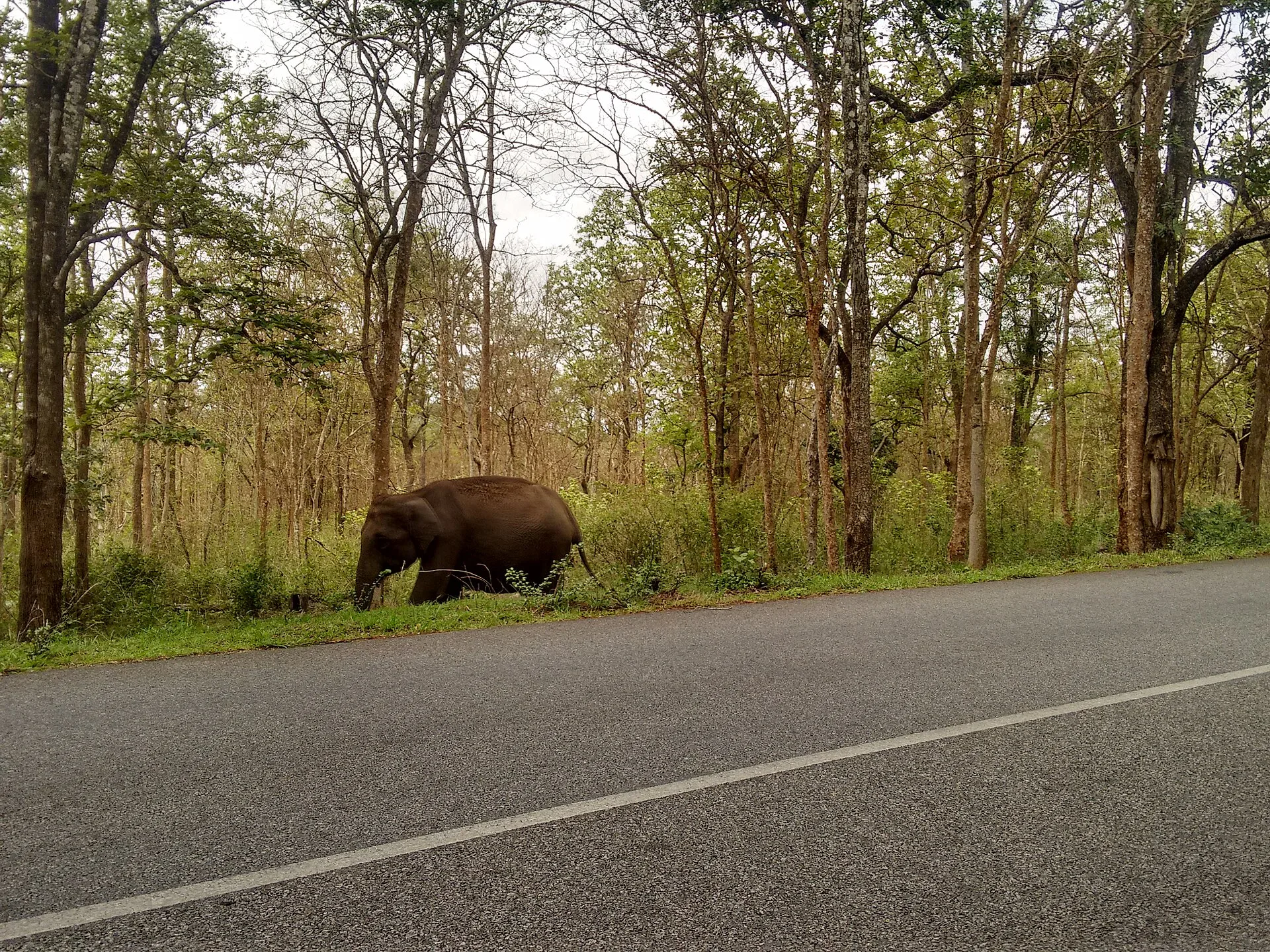
- On the highways: never stop, get out or feed animals in the forest. Give elephants all the room they want and wait; the roads close from 9 pm to 6 am.
- At forest-edge resorts: animals, elephants included, move through the fringe villages at night. Do not walk on unlit roads after dark.
- Health: malaria and dengue occur across India; ticks in long grass can carry Kyasanur Forest Disease, recorded in Chamarajanagar, Wayanad and the Nilgiris. Use repellent and see a travel clinic before you go.
- Ethics: book official safaris, refuse anything that involves riding, touching or feeding animals, and leave no litter.
Why the rules matter here
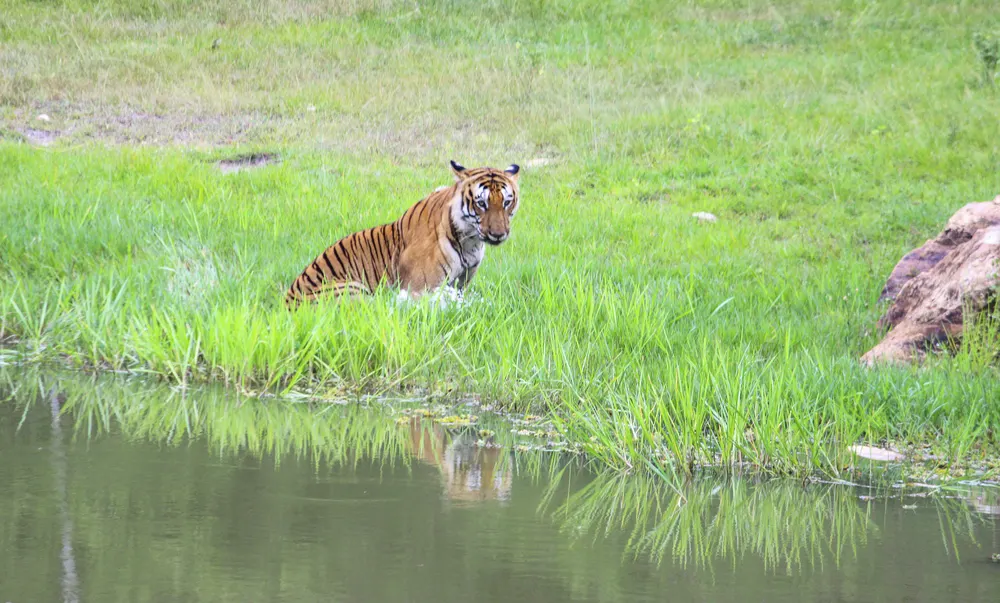
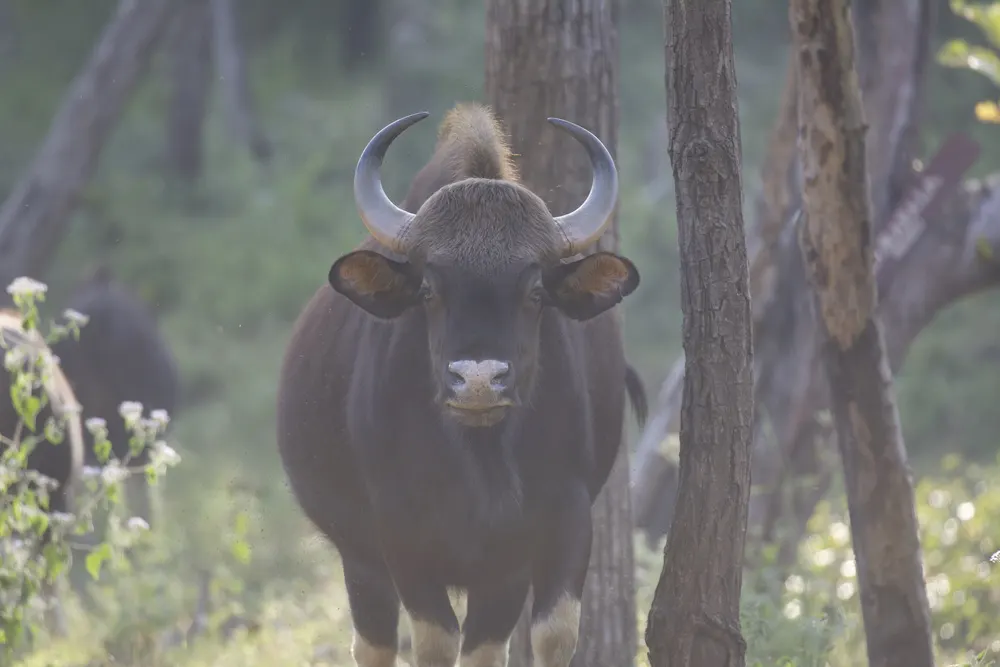
Bandipur is not a safari park with fences. Its tigers, elephants, leopards and sloth bears live in a forest crossed by two national highways and surrounded by farming villages, and in 2025 the conflict between them and people turned deadly: after tigers killed three people in fringe villages within about two weeks, Karnataka suspended all safaris in Bandipur and Nagarhole from November 2025 to February 2026. The rules below exist because the reserve, the villages and the visitors have to share the same land. The conservation page tells the wider story.
On safari
The reserve's safari rules, as published on bandipurtr.in in November 2026, are short and strictly applied. Staff can end a sighting, or your safari, if they are broken.
- Remain seated with arms and legs inside the vehicle; do not stand or lean out.
- Silence when asked, no flash or bright lights, no music, no smoking or alcohol.
- No feeding, approaching or disturbing animals, no throwing anything, no sudden movements.
- No mobile phones in the safari tourism zone, for photos, video or calls. Cameras are allowed.
- No children under five on safari vehicles; minors must be with an adult.
- Follow the driver and staff immediately; they decide where to stop and for how long.
- Report early: 30 minutes before departure, with valid photo ID.
A good safari leaves no trace. Do not ask the driver to speed, crowd an animal or leave the track; if you see staff or another vehicle breaking the rules, note the vehicle number and report it to the reserve. The safari guide has the full picture.
Elephants and other animals on the road
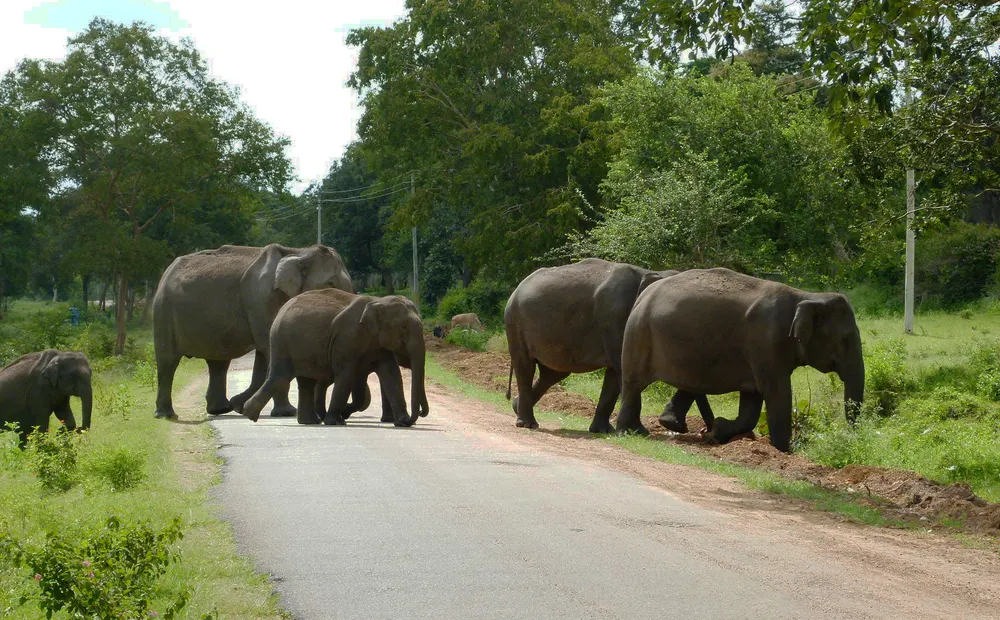
The most dangerous animal most visitors meet at Bandipur is an elephant standing on the highway. Herds cross NH 181 and NH 766 all day, especially early and late, often with calves, and a startled or harassed elephant can charge a car. People stopping for photos, getting out of their cars or throwing food, and vehicles speeding through the forest, put both visitors and animals at risk.
- Slow down in the forest and respect the speed breakers; animals step out without warning.
- If elephants are on or beside the road, stop well back, leave the engine running and space to reverse, and wait. Do not honk, flash lights or edge forward to pass.
- Never get out of the vehicle inside the reserve, for photos, toilets or anything else. Stopping and alighting on the forest highways is prohibited.
- Do not feed monkeys or any other animal, even from the window. Animals that learn to beg from cars come to the road, where they are more likely to be hit.
- Take your litter with you. Food waste draws animals to the road.
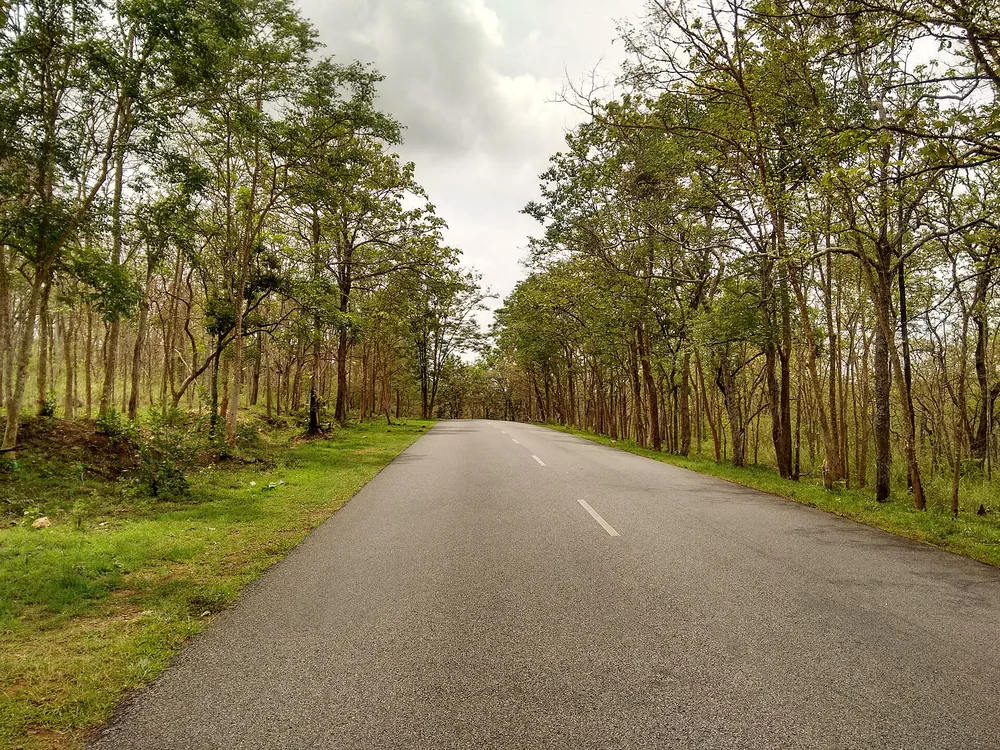
The highways through the reserve close to most traffic from 9 pm to 6 am (one 2026 report says 8.30 pm). Plan to be through the forest before dusk; see getting there.
At forest-edge resorts
Most hotels near Bandipur stand in farming villages on the reserve boundary, and elephants, wild boar, leopards and occasionally tigers move through these villages at night. That is part of the appeal, and part of the risk. Stay inside the resort grounds after dark, use a torch between buildings, do not walk on village roads at night or along the highway at any time, and follow your hotel's advice.
Remember that the people who live here carry the cost of the forest every day, in crops raided by elephants and livestock taken by big cats. Be a considerate guest: drive slowly through the villages, ask before photographing people, and spend money locally.
Roads, the monsoon and the ghats
Indian roads demand patience: mixed traffic, two-wheelers, cattle, slow lorries on the ghats and overtaking on bends. Hiring a car with an experienced local driver is safer than driving yourself, and avoid driving at night outside the towns.
In the monsoon (June to September, with more rain in October) roads are slippery, visibility falls in the hills, and landslips can close ghat roads to Ooty, Wayanad and Coorg for hours. The Kalhatti ghat between Masinagudi and Ooty, with 36 hairpin bends, has a long accident record, mostly vehicles from the plains whose brakes overheat on the descent; tourist traffic on it is restricted (see Masinagudi). Use the Gudalur highway unless you are confident and allowed on Kalhatti, and use low gears downhill.
Health
See a travel clinic four to six weeks before you go. The points below are from the US CDC's India page (reviewed August 2026) and India's National Centre for Disease Control; they are not medical advice.
- Mosquitoes: the CDC lists malaria transmission throughout India below 2,000 m, which includes Bandipur, Mysuru and Masinagudi, and dengue is common, especially after the rains. Use repellent, long sleeves at dusk and screened or air-conditioned rooms, and ask your clinic about malaria tablets.
- Ticks and Kyasanur Forest Disease: this tick-borne viral fever, known locally as monkey fever, has spread from its original focus in Karnataka's Shivamogga district; the NCDC records it in Chamarajanagar district (Bandipur's district) from 2012 and in the Nilgiris and Wayanad from 2013, with human cases in Wayanad since. Visitors on safari vehicles are at low risk, but wear long trousers in long grass, use repellent and check for ticks.
- Vaccines: the CDC recommends hepatitis A and typhoid for most travellers, and rabies vaccination should be discussed: dogs, monkeys and other animals can carry it. If bitten or scratched, wash the wound and get medical help the same day.
- Heat: in March to May afternoons reach the mid-30s °C. Drink plenty of bottled or filtered water and carry it on safari.
- Food and water: drink bottled or filtered water; eat freshly cooked food.
The all-India emergency number is 112. The nearest large hospitals are in Mysuru, about two hours away; carry insurance that covers medical evacuation.
Ethical choices
- Book official safaris on bandipurtr.in or through a tour that uses them. A 'jungle safari' sold by a resort outside the reserve is not the tiger reserve; a night drive offered anywhere around these forests is outside the rules.
- Refuse animal rides and contact. We do not recommend elephant rides or anything that involves touching or feeding wild or captive animals. Watching the Forest Department's working elephants at Mudumalai's Theppakadu camp from where staff ask you to stand is a different thing.
- No drones. Flying a drone over a protected area or along the forest highways needs permission from the authorities; do not fly one.
- Plastic and litter: carry it out. Plastic and food waste kill animals.
- Respect the communities. Jenu Kuruba, Soliga and Betta Kuruba communities live around the reserve; treat their villages as homes, not sights (see people and history).
The tours we recommend on our tours page use the official safaris and avoid animal-contact experiences.
Frequently asked questions
Is Bandipur safe to visit?
Yes, if you follow the rules: stay in the vehicle in the forest, keep away from elephants on the road, do not walk in the fringe villages after dark, and be through the forest before the 9 pm closure.
Can I stop on the highway to photograph animals?
No. Stopping and getting out on the forest highways is prohibited and dangerous. Slow down, stay in the car and keep moving unless animals block the road.
Is there malaria at Bandipur?
The US CDC lists malaria transmission throughout India below 2,000 m, which includes Bandipur. Ask a travel clinic about prevention and use repellent.
What is monkey fever?
Kyasanur Forest Disease, a tick-borne viral fever recorded in Chamarajanagar, Wayanad and the Nilgiris. Wear long trousers in long grass, use repellent and check for ticks.
Sources and official information
Facts were checked against these official and scholarly sources in November 2026. Opening hours, ticket prices, park fees and timetables change, so confirm before you go.
- bandipurtr.in
- bandipurtr.in
- wwwnc.cdc.gov
- ncdc.mohfw.gov.in
- outlooktraveller.com
- ibtimes.co.in
- india.mongabay.com
- onmanorama.com
- mudumalaitigerreserve.com
- 112.gov.in
BandipurNationalPark.com is an independent guide. It is not the official website of Bandipur National Park or Tiger Reserve and is not affiliated with the Karnataka Forest Department, any government body, tour operator or resort; official safari bookings are made on the government's own portal. Some links are affiliate links: tours go to GetYourGuide and accommodation goes to Booking.com, and we may earn a commission at no extra cost to you.