In short
- Bandipur has about 290 recorded bird species (289 in the Wildlife Institute of India's assessment quoted by the reserve) and is listed by BirdLife International as an Important Bird Area.
- It is one of South India's strongholds for vultures: a synchronised count in February 2023 found 246 in Bandipur, including white-rumped, red-headed and Indian vultures, all threatened species.
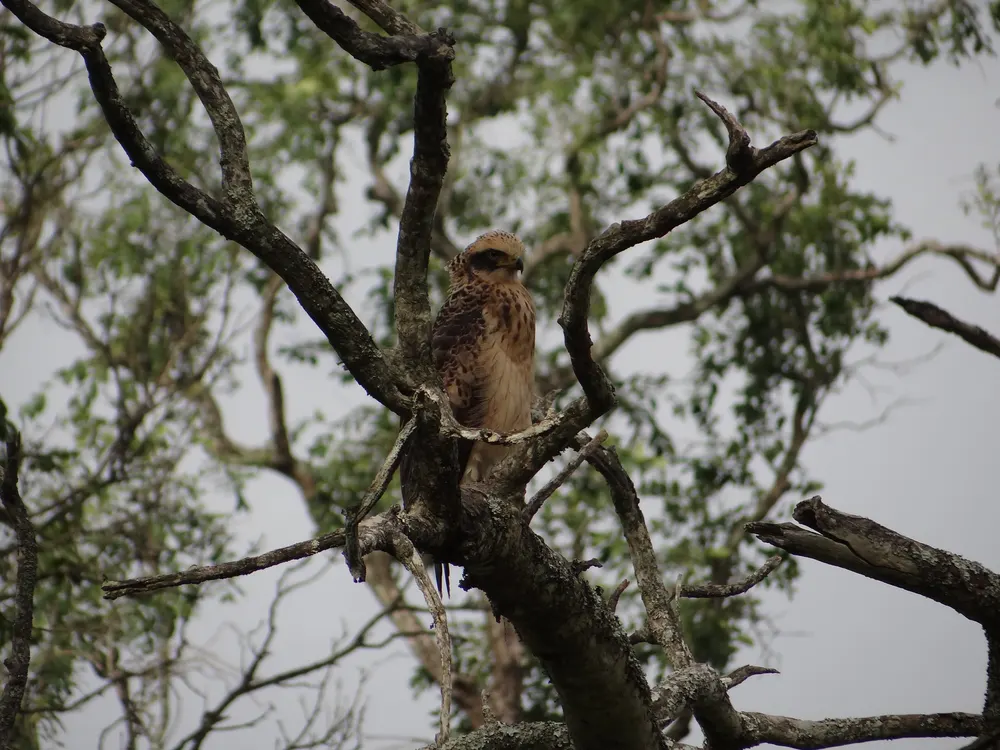
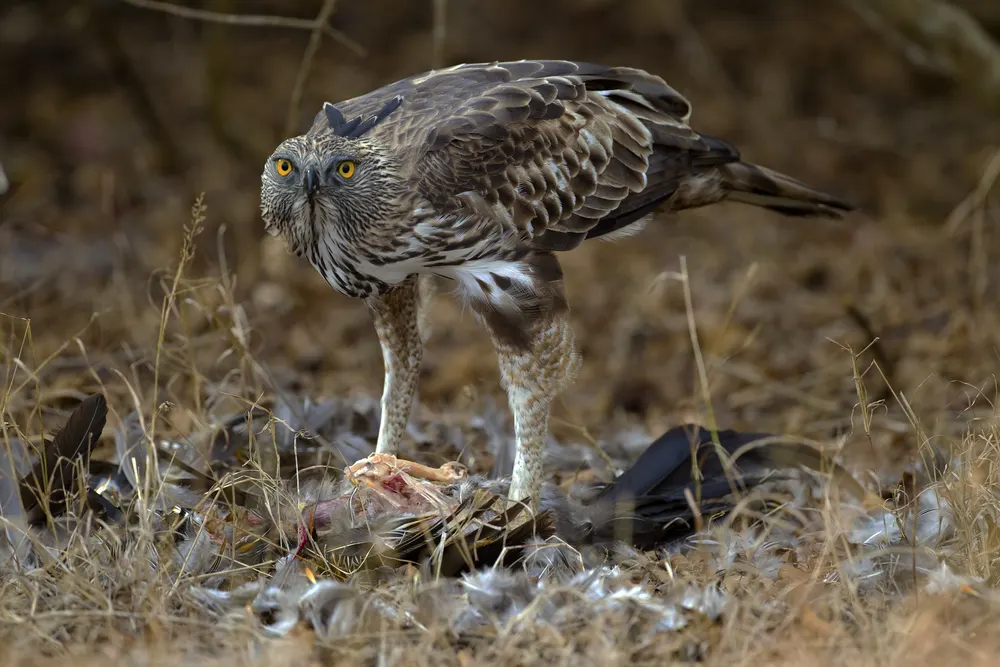
- Raptors are a highlight: crested serpent eagles, changeable hawk-eagles and owls are seen on many safaris.
- The cool, dry months from about November to February are the most comfortable birding season, with winter migrants present; the monsoon brings breeding activity and lush cover.
- Birding inside the reserve is from safari vehicles only; the fringe villages, hotel gardens and Gopalaswamy Betta add other habitats.
Why Bandipur is good for birds
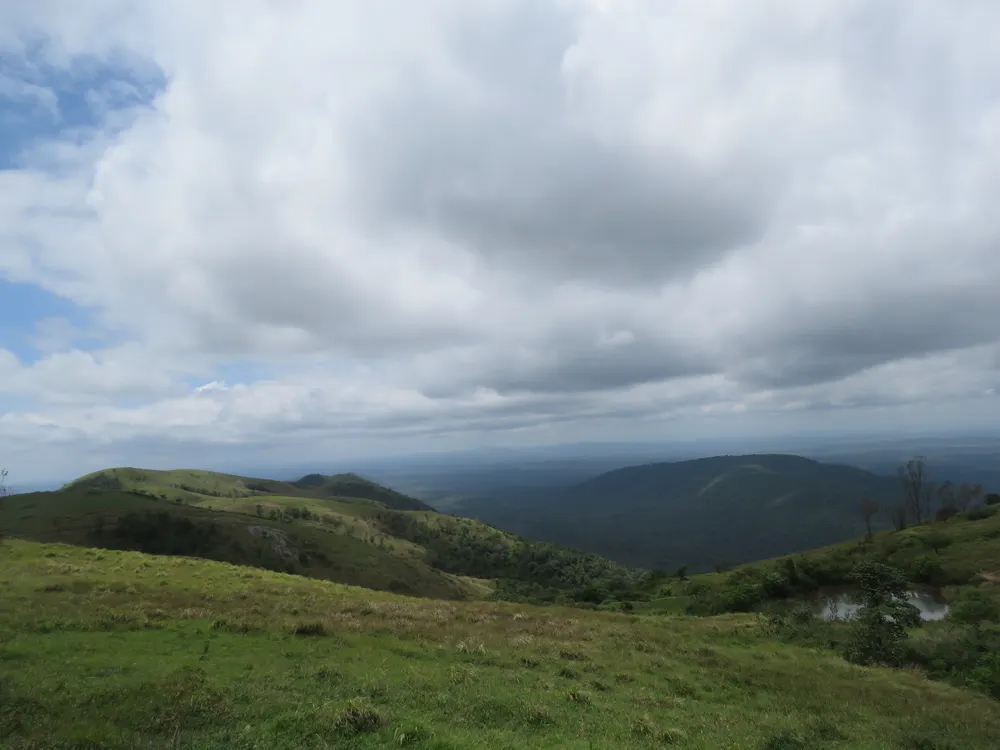
Bandipur combines dry and moist deciduous forest, scrub, grassy clearings, bamboo, rivers and reservoirs on its edges, and high grassland and shola on Gopalaswamy Betta. That range of habitats, and the absence of disturbance in the core, explains its bird list: about 290 species, according to the reserve, citing the Wildlife Institute of India. BirdLife International lists Bandipur National Park as an Important Bird Area covering about 874 km², for its globally threatened species and birds restricted to the region.
For most visitors, birds are the steady pleasure of every safari: peafowl crossing the track, bee-eaters on low twigs, a serpent eagle watching from a dead branch, junglefowl scratching in the leaf litter. A pair of binoculars makes a bigger difference to a Bandipur safari than any camera.
- Species recorded
- About 290 (289 in the WII assessment)
- Status
- Important Bird Area (BirdLife International)
- Vultures counted, Feb 2023
- 246 (168 white-rumped, 43 red-headed, 34 Indian, 1 Egyptian)
- Most comfortable season
- November to February
- How you see them
- From safari vehicles; binoculars essential
Birds you will probably see
These are the birds most safari visitors notice. The table is our editorial guide, based on the reserve's species lists and commonly reported sightings.
| Bird | Notes | Chance on safari |
|---|---|---|
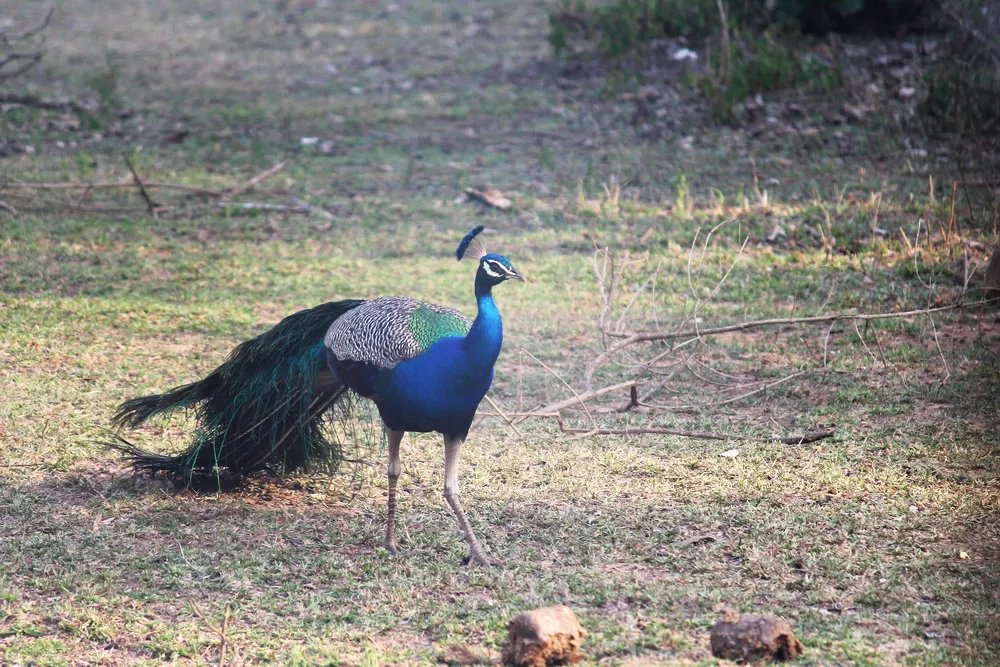
| Indian peafowl | Everywhere in the open; males display their trains in the breeding season | ●●●●● |
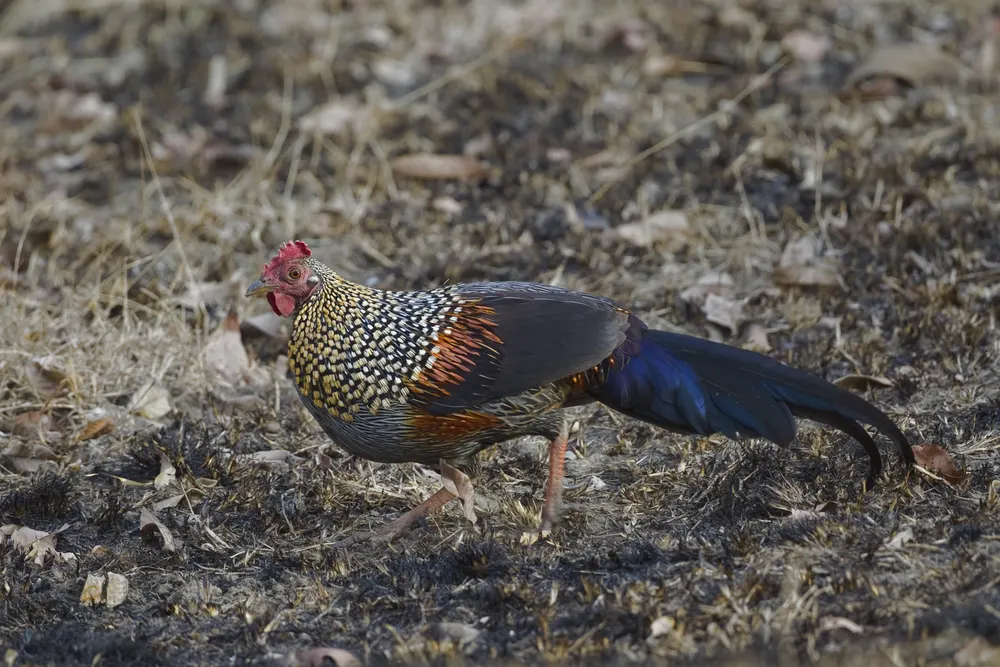
| Grey junglefowl | The wild chicken of peninsular India; males have golden spots | ●●●●○ |
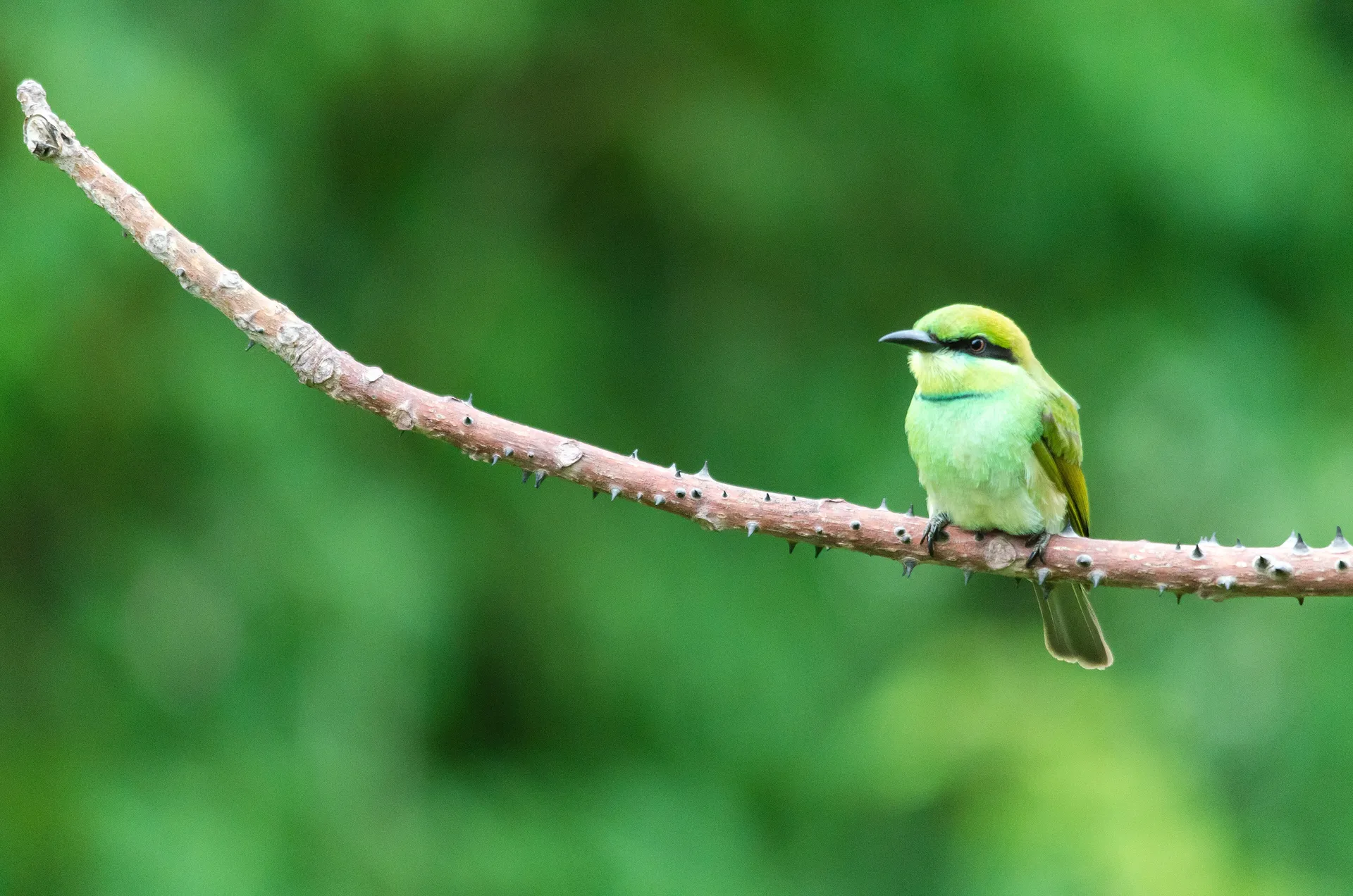
| Green bee-eater | On low twigs and wires along tracks | ●●●●○ |
| Crested serpent eagle | Perched on dead branches, calling loudly | ●●●●○ |
| Indian roller | Bright blue in flight; on poles and bare trees | ●●●○○ |
| Yellow-billed babbler | Noisy groups of six to ten in the undergrowth | ●●●○○ |
| Changeable hawk-eagle | Forest raptor, often near clearings | ●●●○○ |
| Red-headed vulture | Singly or in pairs, often at carcasses with other vultures | ●●○○○ |
| White-rumped vulture | Groups at kills and on tall trees | ●●○○○ |
| Woolly-necked stork | Grassy clearings and near water | ●●○○○ |
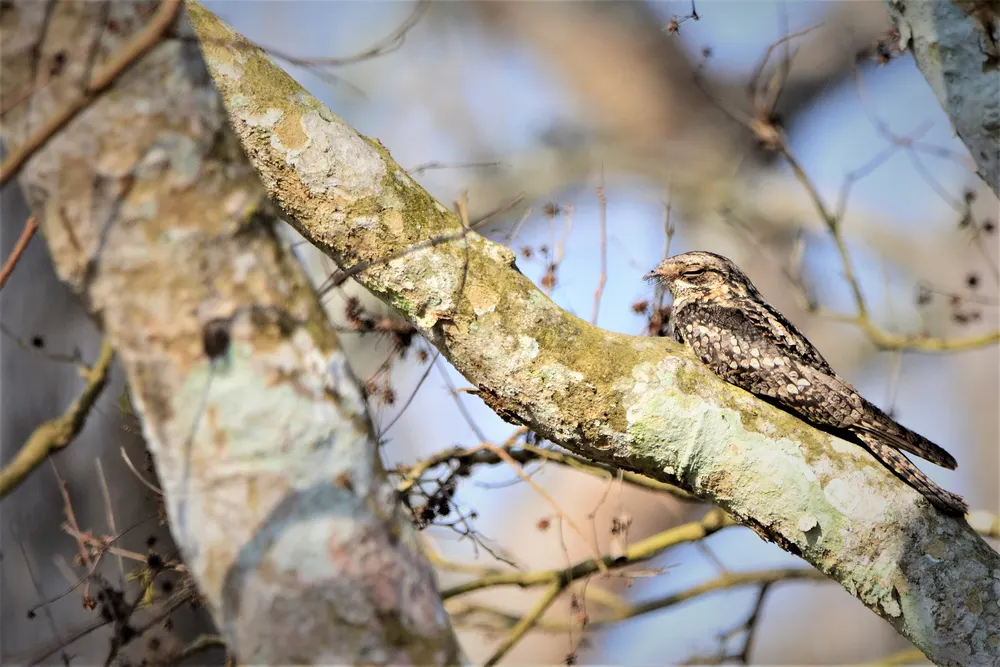
| Jungle nightjar | Roosts on branches by day, perfectly camouflaged | ●○○○○ |
| Malabar trogon | Moister forest; shy | ●○○○○ |
Raptors
Bandipur is a raptor forest. The crested serpent eagle, which eats snakes and lizards, is the commonest large bird of prey and announces itself with a loud, ringing call. The changeable hawk-eagle comes in pale and dark forms and hunts birds and mammals up to the size of a junglefowl. The reserve also lists the grey-headed fish eagle along the rivers and reservoirs. At dusk, owls take over; the huge spot-bellied eagle-owl has been photographed in the park.
Raptors are easiest to see in the dry season, when the bare trees leave them in the open on their favourite perches.
Vultures: a refuge for threatened species
India's vultures crashed in the 1990s and 2000s, mainly because of the veterinary drug diclofenac in livestock carcasses, and several species are now critically endangered. The Bandipur–Mudumalai–Wayanad forests are one of the last strongholds in South India, because tigers, leopards and dholes leave a steady supply of wild carcasses, and the forest departments and conservation groups monitor them closely.
A synchronised survey across Karnataka, Kerala and Tamil Nadu, which ended on 26 February 2023 and was run in Bandipur with the Wildlife Conservation Foundation, more than 80 Forest Department staff and student volunteers, counted 246 vultures in Bandipur: 168 white-rumped, 43 red-headed, 34 Indian and one Egyptian vulture. Nagarhole, by comparison, had 104.
You are most likely to see vultures circling high in the late morning, or gathered at a kill. Please do not ask safari drivers to approach a carcass closely; vultures flush easily, and a predator may be resting nearby.
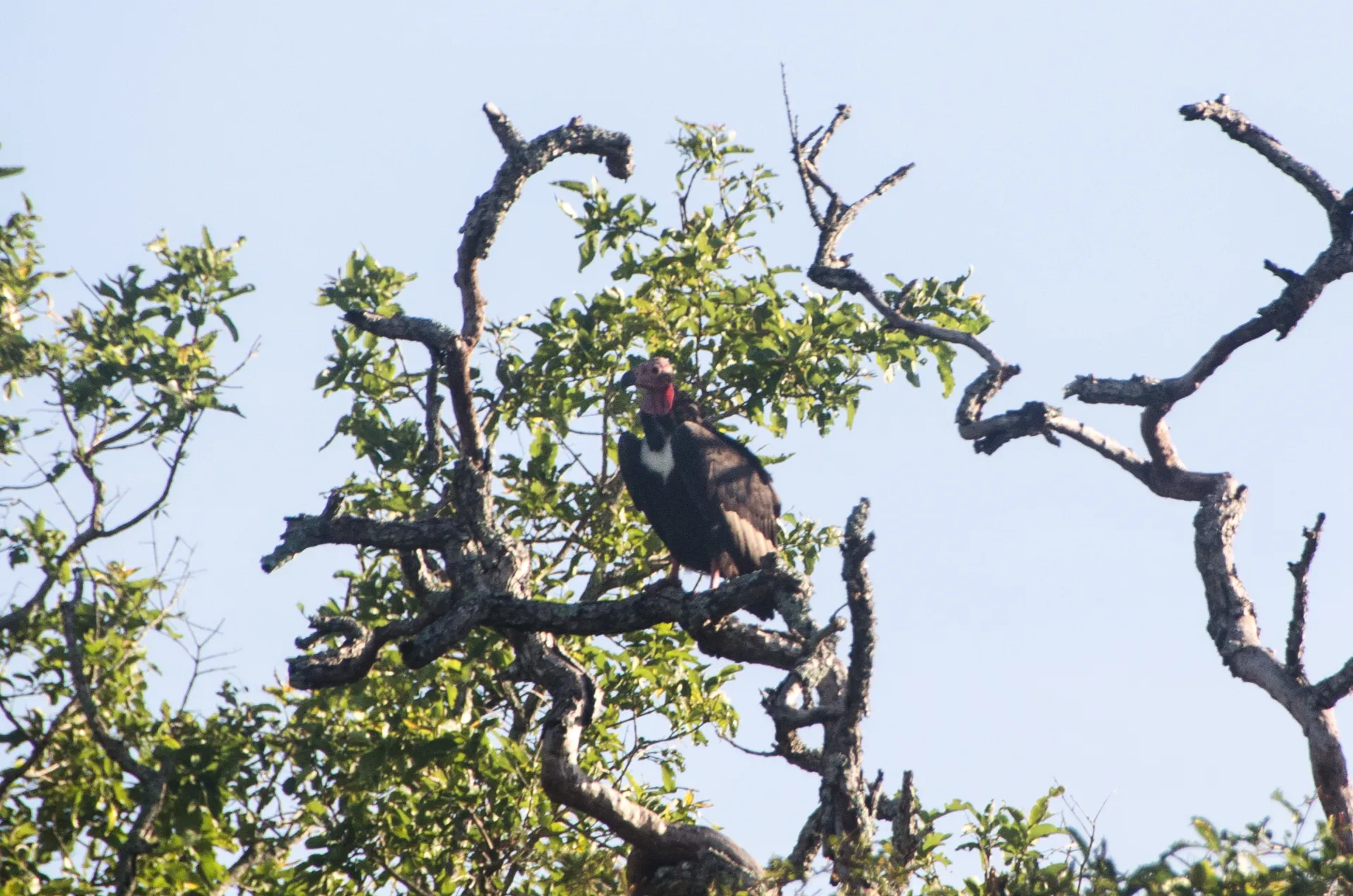
A red-headed vulture in Bandipur. It is critically endangered, and the Bandipur–Mudumalai–Wayanad forests are one of South India's last strongholds for vultures.
Birding seasons
Bandipur can be birded all year, but the seasons change what you see and how easily.
| Months | What to expect |
|---|---|
| November to February | Cool, dry and comfortable; winter migrants from the north present; good light; the busiest tourist season |
| March to May | Hot; many trees bare, so birds are easy to see; raptors conspicuous; birds gather at water |
| June to September | Southwest monsoon; peak breeding for many species, lush cover, frogs and insects; rain can cancel drives |
| October | Post-monsoon; green forest, migrants start to arrive |
Where to look beyond the safari
Inside the reserve you can bird only from safari vehicles and, briefly, at the Gopalaswamy Betta temple. Outside it there is a lot more:
- Hotel grounds and village edges around Mangala, Kaniyanpura, Hangala and Masinagudi have bee-eaters, rollers, babblers, sunbirds, drongos and raptors overhead. Ask your hotel whether it has a naturalist.
- Himavad Gopalaswamy Betta: the hilltop grassland and shola patches have a different bird community from the deciduous forest below. Visitors must stay within the temple premises; see Gopalaswamy Betta.
- The Kabini backwaters, on the northern edge of the forest, are best for water birds, kingfishers and fish eagles; see Kabini and Nagarhole.
- Masinagudi and the Sigur plateau, on the Tamil Nadu side, are good for dry-country birds and vultures; see Masinagudi.
Birding ethics
- Never use call playback to attract birds in or around the reserve.
- Do not approach nests, roosts or carcasses.
- Keep to roads and permitted areas; do not walk into the forest or the buffer scrub, where elephants and sloth bears are a real danger.
- Report vulture carcasses or poisoning to the Forest Department.
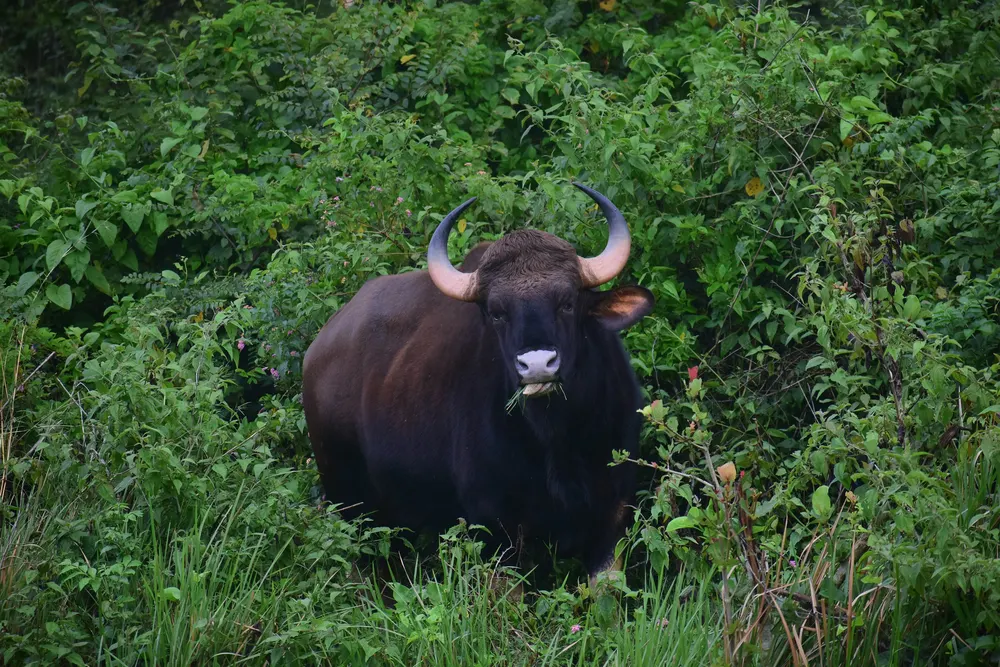
Wildlife private day tour: Mysore to Bandipur National Park
A private day from Mysuru to Bandipur and back, built around wildlife viewing, as the listing title describes. The simplest way to reach the safari counter without your own car. Check whether a Forest Department safari seat is included and the pick-up time.
Check availabilityBook via GetYourGuide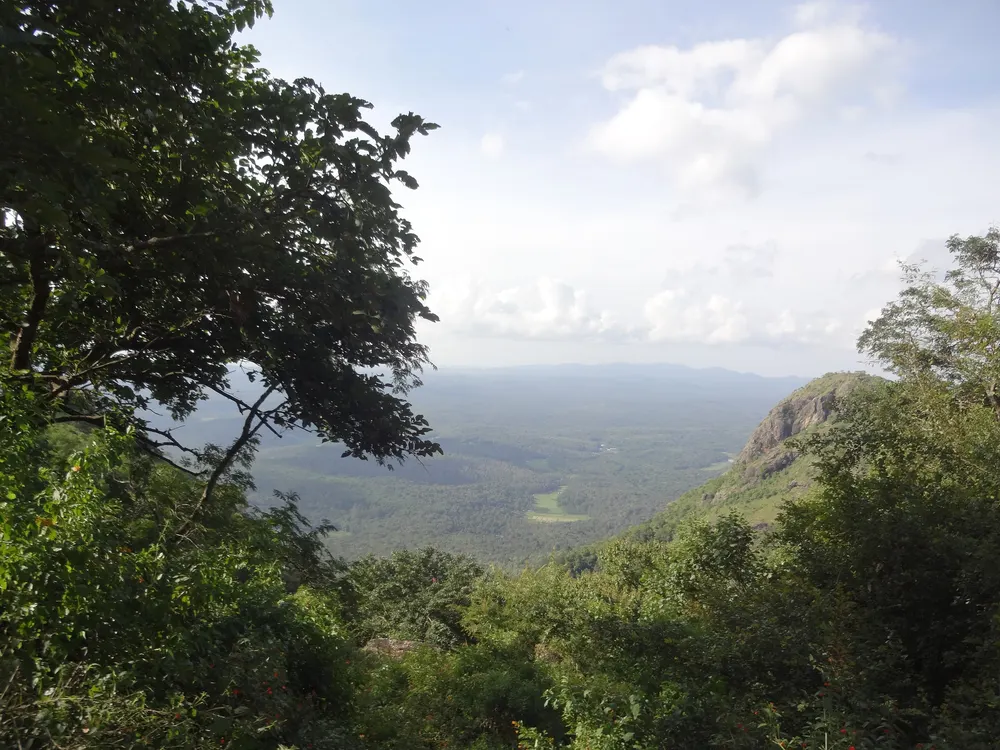
Ooty and Bandipur safari day tour from Coimbatore
One long day from Coimbatore: up to Ooty in the Nilgiris and a safari in the Bandipur forest, according to the title. Check the order of the day, the safari arrangements and the return time; the forest highway closes at 9 pm.
Check availabilityBook via GetYourGuideTour listings are on GetYourGuide. Prices, dates and cancellation terms are shown live on each listing and can change; BandipurNationalPark.com may earn a commission at no extra cost to you.
Frequently asked questions
How many bird species are there in Bandipur?
About 290. The reserve quotes 289 species from the Wildlife Institute of India's assessment.
Can I go birdwatching on foot in Bandipur?
Not inside the reserve. Visitors may enter only on official safaris; walking in the forest is not permitted. Hotel grounds and the areas around the fringe villages are good for birds.
Are there vultures in Bandipur?
Yes. A synchronised survey in February 2023 counted 246 vultures in Bandipur: white-rumped, red-headed, Indian and Egyptian vultures.
When is the best time for birding in Bandipur?
November to February is the most comfortable and has winter migrants; March to May is hot but birds are easy to see in the bare trees; the monsoon is the breeding season.
Sources and official information
Facts were checked against these official and scholarly sources in November 2026. Opening hours, ticket prices, park fees and timetables change, so confirm before you go.
- bandipurtr.in
- datazone.birdlife.org
- starofmysore.com
- deccanherald.com
- en.wikipedia.org
- en.wikipedia.org
- en.wikipedia.org
- commons.wikimedia.org
BandipurNationalPark.com is an independent guide. It is not the official website of Bandipur National Park or Tiger Reserve and is not affiliated with the Karnataka Forest Department, any government body, tour operator or resort; official safari bookings are made on the government's own portal. Some links are affiliate links: tours go to GetYourGuide and accommodation goes to Booking.com, and we may earn a commission at no extra cost to you.