In short
- Best for sightings: March to May. Many trees are bare, grass is short and water is scarce, so elephants, gaur and the predators that follow them concentrate near waterholes. It is hot in the afternoon and the fire risk is high.
- Best for comfort: October to February. Green forest, full waterholes, cool mornings and pleasant days; animals are more spread out but the light and the birds are excellent. October is often the wettest month at Mysuru.
- Monsoon: June to September. The park stays open and is at its most beautiful, but the forest is dense, animals disperse and rain can cancel or shorten safaris.
- Avoid if you can: long weekends, Christmas–New Year and Mysuru's Dasara festival, when safari seats and hotels sell out. Book ahead at any time: safari capacity is still regulated after the 2025–26 suspension.
- No fixed annual closure is announced, but safaris can be suspended at short notice, as they were from November 2025 to February 2026. Check bandipurtr.in for notices.
The short answer
There is no bad month to visit Bandipur, but there is a trade-off. In the dry season the forest opens up and animals come to water, so sightings are at their best and the heat is at its worst. In the cool season after the rains the forest is green, mornings are fresh and the scenery is at its finest, but animals have water everywhere and spread out. In the monsoon the forest is lush and quiet, roads are wet and some safaris are rained off.
If a tiger is the priority, come from March to May and book three or four safaris. If you want comfortable weather, birds and green landscapes, come from October to February. If you are combining Bandipur with Ooty, remember that the hill station's own high season is March to June, when the Nilgiris e-pass caps and the traffic are at their peak (see Ooty).
| Most comfortableCool season | Best sightingsHot dry season | Monsoon | |
|---|---|---|---|
| Months | October to February | March to May | June to September |
| Chance of big animals near water | ●●●○○ | ●●●●● | ●●○○○ |
| Comfort on safari | ●●●●● | ●●○○○ | ●●●○○ |
| Green scenery and light | ●●●●● | ●●○○○ | ●●●●○ |
| Birds | ●●●●● | ●●●○○ | ●●●○○ |
| Risk of cancelled safarislower is better | ●○○○○ | ●●○○○ | ●●●○○ |
| Best for | First visits, families, birders | Tiger and elephant seekers, photographers | Repeat visitors who want green forest and quiet |
-
Cool season
Most comfortable- Months
- October to February
- Chance of big animals near water
- ●●●○○
- Comfort on safari
- ●●●●●
- Green scenery and light
- ●●●●●
- Birds
- ●●●●●
- Risk of cancelled safaris
- ●○○○○
- Best for
- First visits, families, birders
-
Hot dry season
Best sightings- Months
- March to May
- Chance of big animals near water
- ●●●●●
- Comfort on safari
- ●●○○○
- Green scenery and light
- ●●○○○
- Birds
- ●●●○○
- Risk of cancelled safaris
- ●●○○○
- Best for
- Tiger and elephant seekers, photographers
-
Monsoon
- Months
- June to September
- Chance of big animals near water
- ●●○○○
- Comfort on safari
- ●●●○○
- Green scenery and light
- ●●●●○
- Birds
- ●●●○○
- Risk of cancelled safaris
- ●●●○○
- Best for
- Repeat visitors who want green forest and quiet
Our editorial comparison, as of November 2026. Ratings 0–5; every year differs.
Month by month
Bandipur has no official weather station of its own with published long-term averages. The nearest observatory with India Meteorological Department (IMD) climate normals is Mysuru, about 80 km north, and the figures below are its 1991–2020 averages. The park lies at roughly 700 to 1,000 m, similar to Mysuru, so the pattern is the same, but the western side of the reserve, towards Wayanad, receives more rain than the east, and early mornings in the forest often feel cooler than town.
| Month | High / low (°C) | Rain (mm) | Sunrise / sunset | At Bandipur |
|---|---|---|---|---|
| January | 29 / 16 | 1 | 6:47 / 18:17 | Dry, cool dawns, very good |
| February | 31 / 17 | 3 | 6:45 / 18:30 | Drying out; good |
| March | 34 / 19 | 13 | 6:32 / 18:35 | Hot dry season begins; very good |
| April | 34 / 21 | 85 | 6:12 / 18:35 | Hottest; first storms; excellent |
| May | 33 / 21 | 128 | 6:00 / 18:39 | Pre-monsoon storms; excellent |
| June | 30 / 20 | 77 | 5:59 / 18:48 | Monsoon arrives; forest greens |
| July | 29 / 20 | 84 | 6:07 / 18:52 | Wet and lush; harder sightings |
| August | 29 / 20 | 97 | 6:13 / 18:44 | Wet; quiet |
| September | 30 / 20 | 102 | 6:13 / 18:25 | Showers; Dasara crowds begin |
| October | 29 / 20 | 163 | 6:12 / 18:06 | Wettest month at Mysuru; green |
| November | 29 / 19 | 68 | 6:20 / 17:56 | Clearing; birds; good |
| December | 28 / 17 | 13 | 6:35 / 18:02 | Dry and cool; holiday crowds |
March to May: the dry season, for sightings
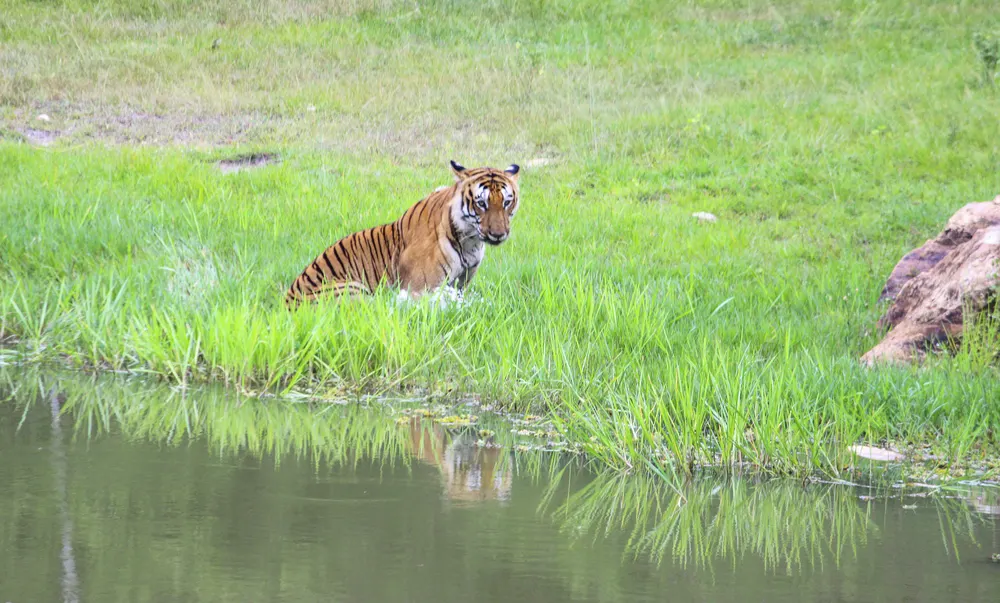
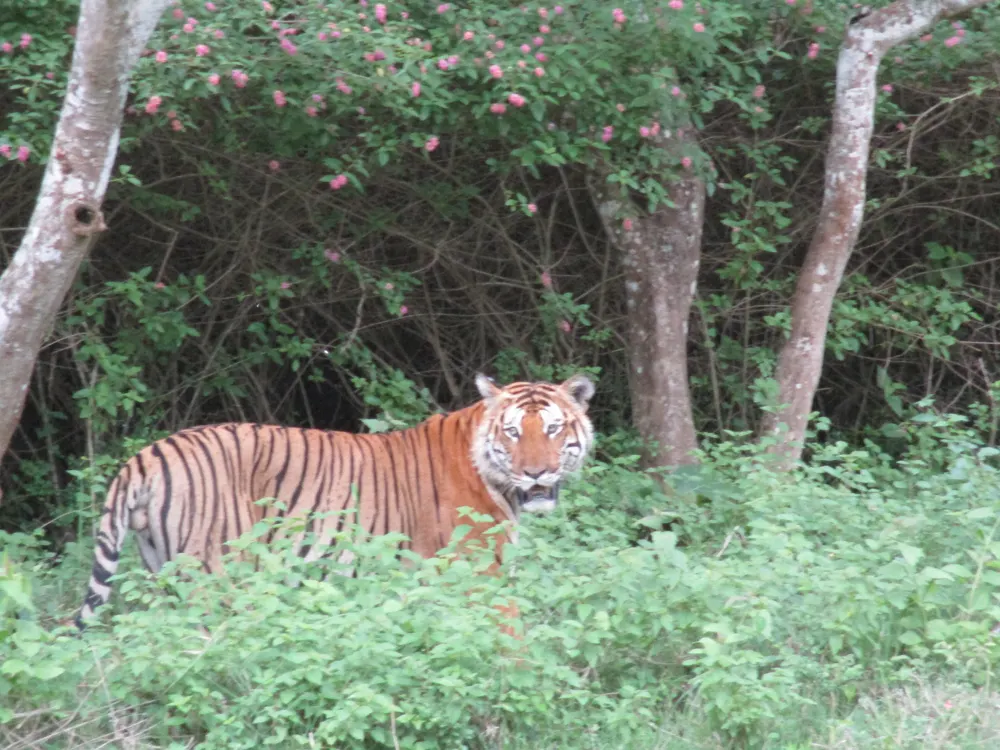
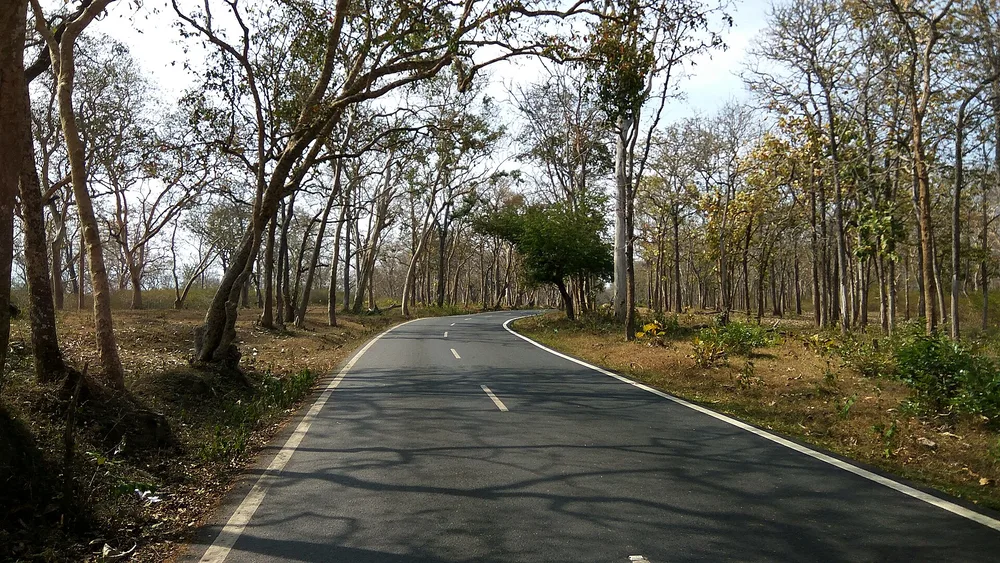
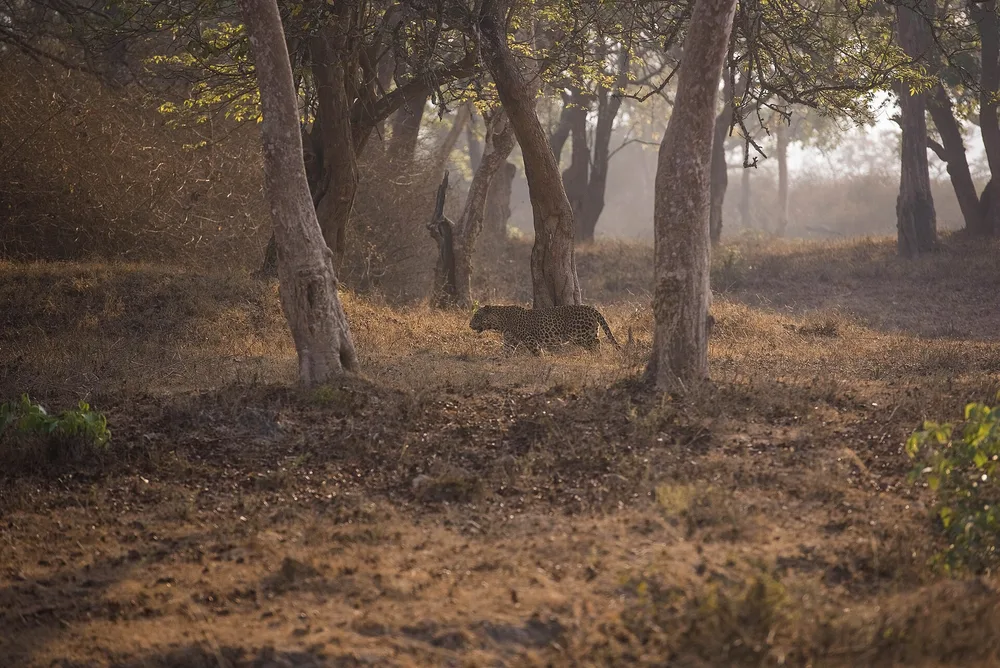
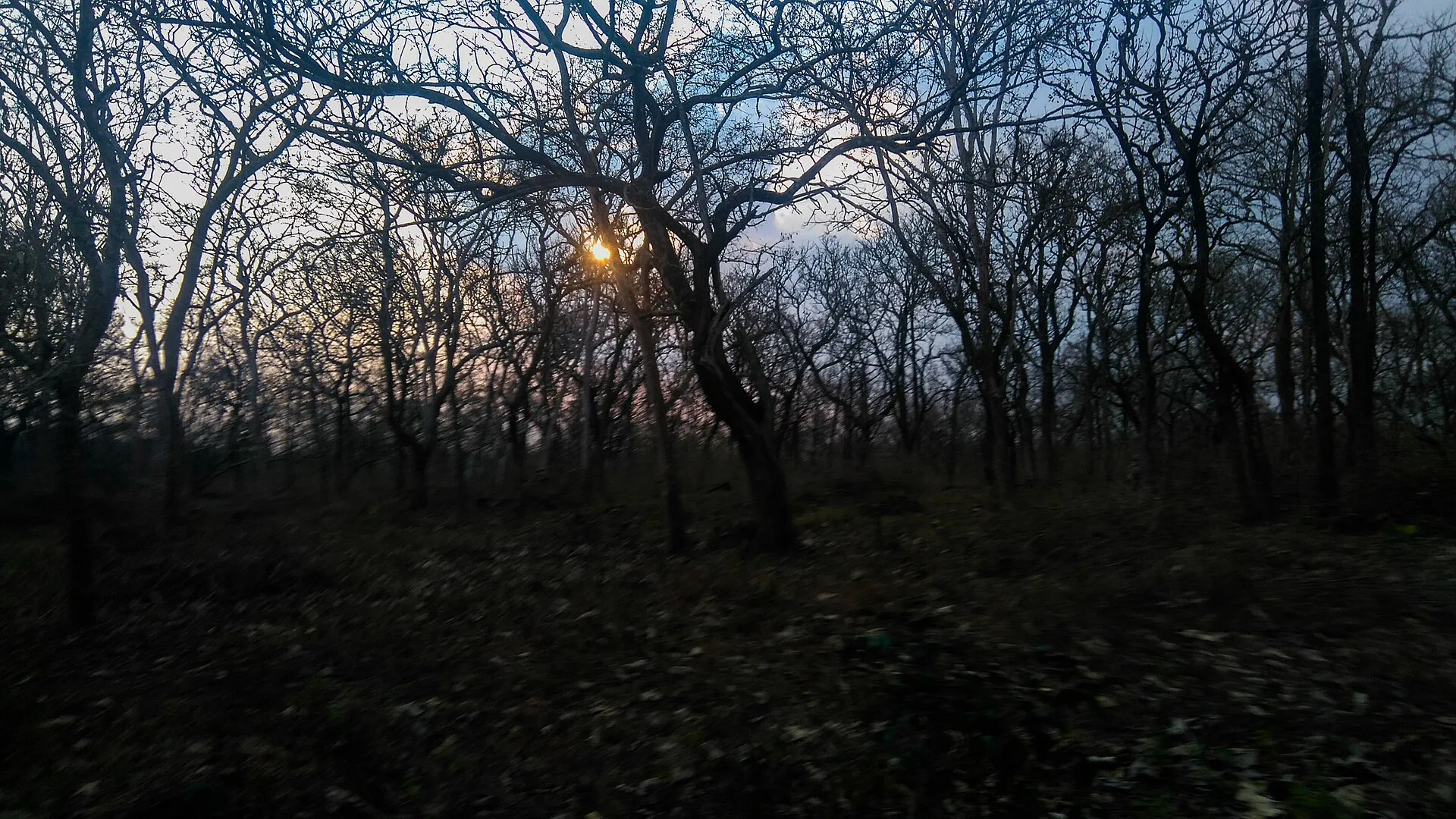
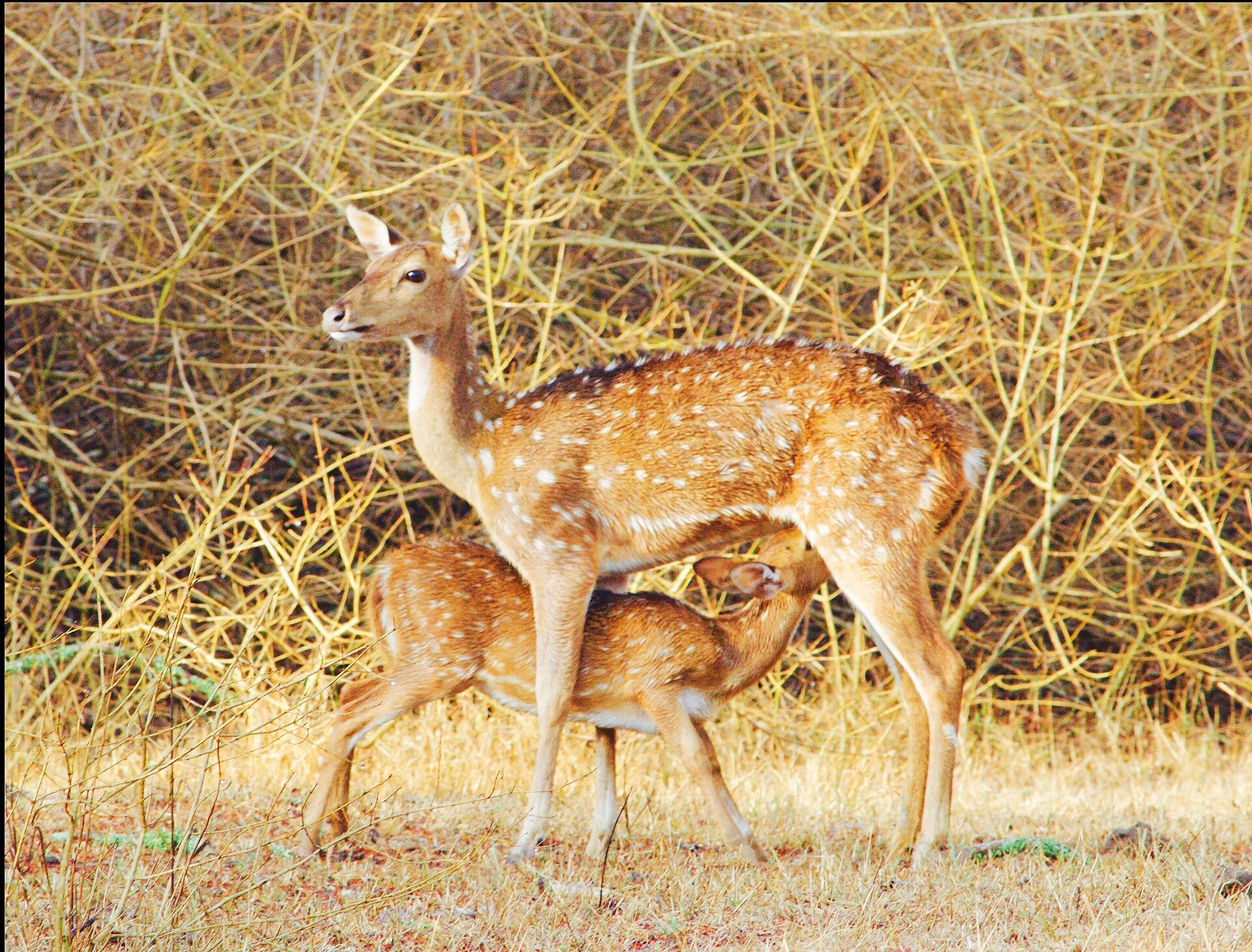
By March most of Bandipur's deciduous trees have dropped their leaves, the grass has dried to straw and the seasonal streams have stopped. Elephants, gaur, chital and sambar spend more time near the remaining waterholes and along the Moyar and Kabini edges, and predators follow them. Visibility through the open forest is at its best of the year, which is why most tiger photographs from Bandipur are taken in these months. The tigers page explains what this means for your odds.
The costs: afternoons in April and May reach the mid-30s °C, dust is everywhere, and the first thunderstorms arrive in April and May with dramatic skies and sudden downpours. It is also fire season: the 2019 fire burned thousands of hectares in February, and the Forest Department can close areas when the risk is high. Carry water and a hat, book morning safaris for comfort and afternoon ones for the waterholes.
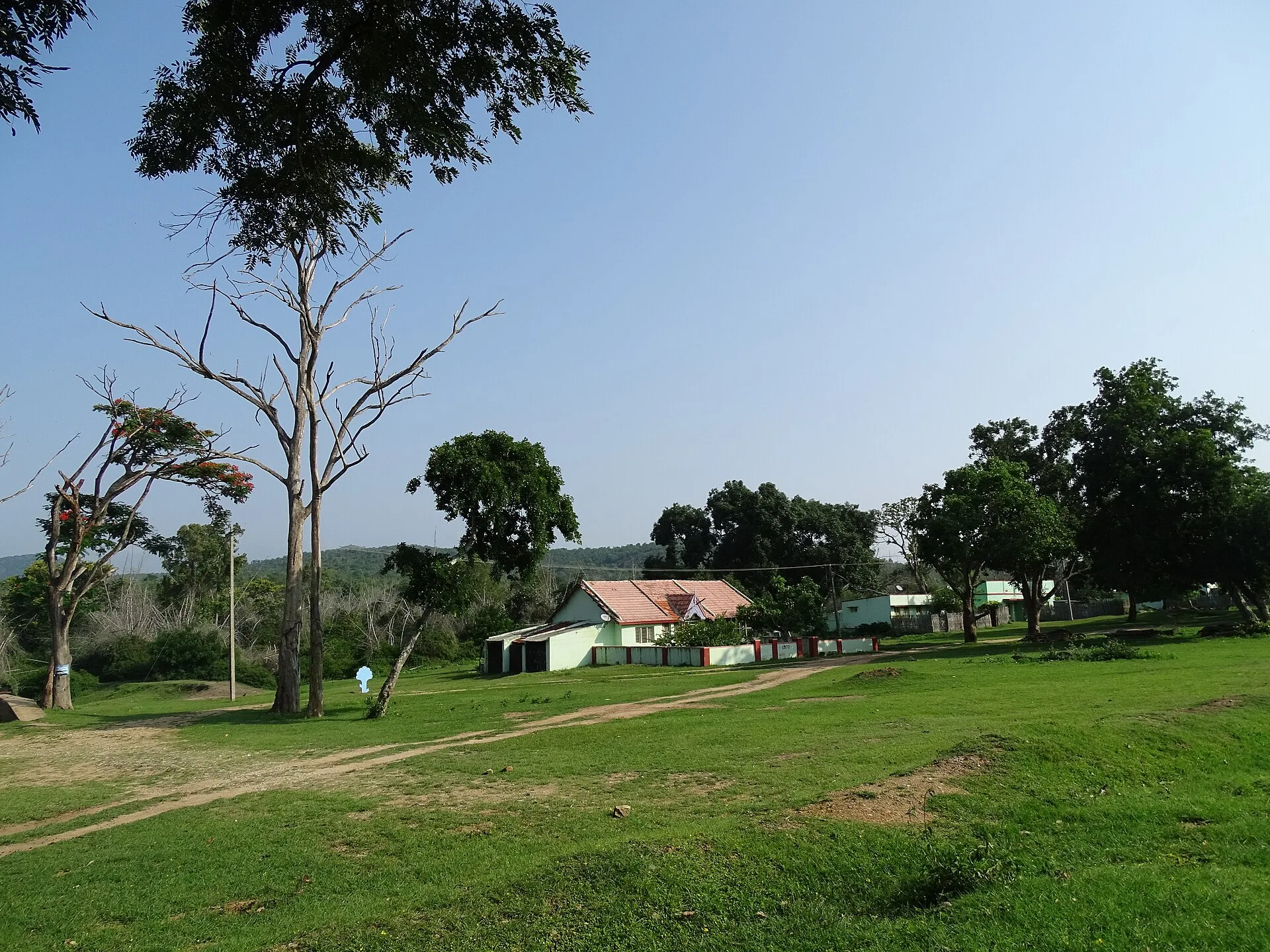
Forest Department buildings at Bandipur in late May: the first pre-monsoon storms have already turned the grass green, while many trees are still bare.
June to September: the monsoon
The south-west monsoon reaches the area in June. Bandipur sits in the rain shadow of the Western Ghats, so it receives far less rain than Wayanad or Coorg just to the west, but the forest still turns green within weeks, grass grows tall and water lies everywhere. Animals no longer need the waterholes and spread out across the reserve, so sightings become harder, especially of tigers. In exchange, the forest is quiet, the light is soft and the landscape is at its most beautiful.
Bandipur does not close for the monsoon: in 2026 the government approved the full reopening of safaris in late June, in the middle of the rains. But heavy rain can cancel or shorten safaris, and the reserve's terms allow it to cancel for weather at short notice (see the safari guide on refunds). Ghat roads to Ooty and Wayanad are slower and occasionally blocked by landslips; leave extra time.
October to February: green and comfortable
October is often the wettest single month at Mysuru, when the north-east monsoon and the last of the south-west rains overlap, and showers can continue into November. From December to February the skies clear, mornings on an open safari vehicle can be genuinely cold, and days are warm and dry. The forest is green, then gold, and waterholes are full.
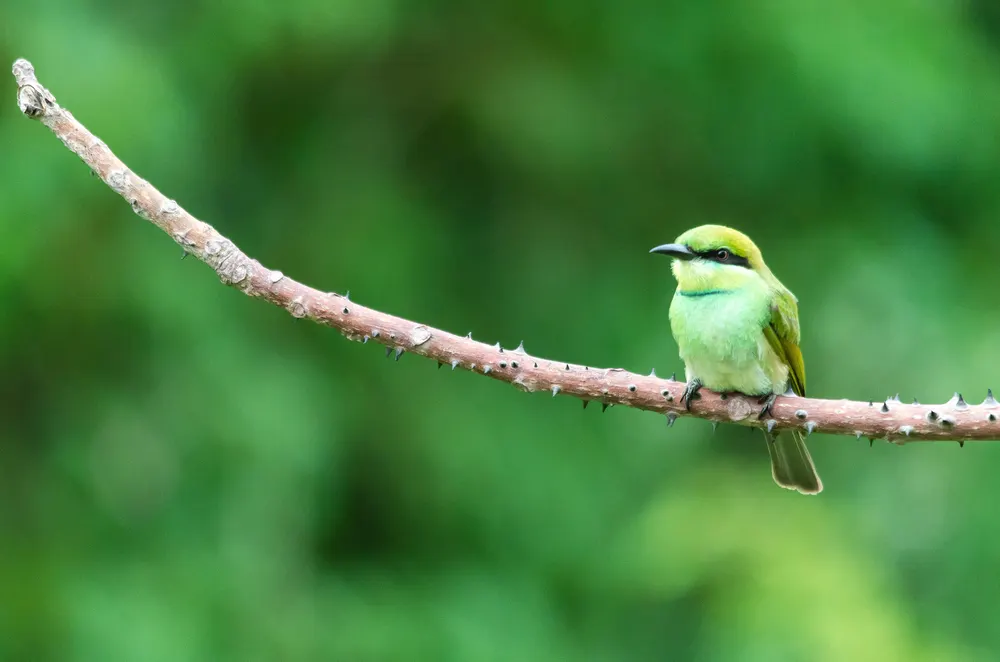
This is the most comfortable time for families and for combining Bandipur with Mysuru, Ooty and the coast. Birding is excellent, with resident species active and winter visitors present (see birds). Mammals are seen on every safari, but big cats are more hit-and-miss than in April. December holidays fill hotels near the park quickly; book early.
Crowds, holidays and booking
Bandipur is a weekend destination for Bengaluru and Mysuru. Safari seats and nearby hotels sell out first on Saturdays, Sundays and long weekends, over Christmas and New Year, in the April–May school holidays and around Mysuru Dasara, the ten-day festival in late September or October (in 2026 it began on 11 October). A weekday visit is calmer on the safari and on the highway.
Since the 2025–26 suspension, safari capacity has been set by a technical committee and every vehicle does one trip per session, so there are fewer seats than before. Book your safaris on bandipurtr.in as soon as your dates are fixed, then book the hotel. If you want the logistics handled, a guided tour such as the private wildlife day tour from Mysore is an alternative; check how its safari seats are arranged.
Closures and surprises
No fixed annual closure is announced for Bandipur, but the reserve can stop safaris at short notice. The biggest recent example: after tigers killed people in fringe villages, the Karnataka government suspended safaris in Bandipur and Nagarhole from 7 November 2025; they restarted at half capacity in February 2026 and were fully reopened from 26 June 2026, with longer trips and higher fares from 1 September 2026 (see conservation and the safari guide).
Smaller interruptions happen for fire risk, heavy rain or wildlife management. Check the notices on bandipurtr.in a few days before you travel, and keep a flexible day if you can. If Bandipur is closed or full, Mudumalai and Kabini run their own safaris.
Frequently asked questions
What is the best month to see tigers in Bandipur?
April and May, followed by March, when the forest is open and water is scarce. No month guarantees a sighting; book several safaris.
Is Bandipur open in the monsoon?
Yes. Safaris run through the rains, but heavy rain can cancel or shorten them and animals are harder to find in the dense green forest.
How cold is Bandipur in winter?
Mysuru's average minimum in December and January is about 16 to 17 °C, and early-morning safaris in an open vehicle feel colder. Bring a warm layer.
Is Bandipur ever closed?
There is no fixed annual closure, but safaris were suspended from November 2025 to February 2026, and the reserve can cancel for fire, weather or wildlife management. Check bandipurtr.in before you go.
Sources and official information
Facts were checked against these official and scholarly sources in November 2026. Opening hours, ticket prices, park fees and timetables change, so confirm before you go.
- imdpune.gov.in
- en.wikipedia.org
- bandipurtr.in
- bandipurtr.in
- bandipurtr.in
- ibtimes.co.in
- daijiworld.com
- outlooktraveller.com
- siasat.com
- en.wikipedia.org
- gml.noaa.gov
BandipurNationalPark.com is an independent guide. It is not the official website of Bandipur National Park or Tiger Reserve and is not affiliated with the Karnataka Forest Department, any government body, tour operator or resort; official safari bookings are made on the government's own portal. Some links are affiliate links: tours go to GetYourGuide and accommodation goes to Booking.com, and we may earn a commission at no extra cost to you.